
Table of Contents
- 1. Full Control Over Your Abaya Brand Identity
- 2. Custom Designs That Set You Apart
- 3. Cost-Efficient and Scalable Production
- 4. Faster Response to Market Trends
- 5. Professional Quality and Reliability
- Start Your Private Label Abaya Line
- FAQ
1. Full Control Over Your Abaya Brand Identity
One of the biggest advantages of working with a private label Abaya supplier is full control over how your brand looks and feels. You decide the labels, packaging, fabrics, designs—everything.
This is especially important for businesses focused on long-term brand building. Strong branding helps customers remember you, choose you again, and recommend you to others.
If you’re exploring how branding impacts product perception, our guide on Abaya branding strategies can help you craft a stronger visual identity.
2. Custom Designs That Set You Apart
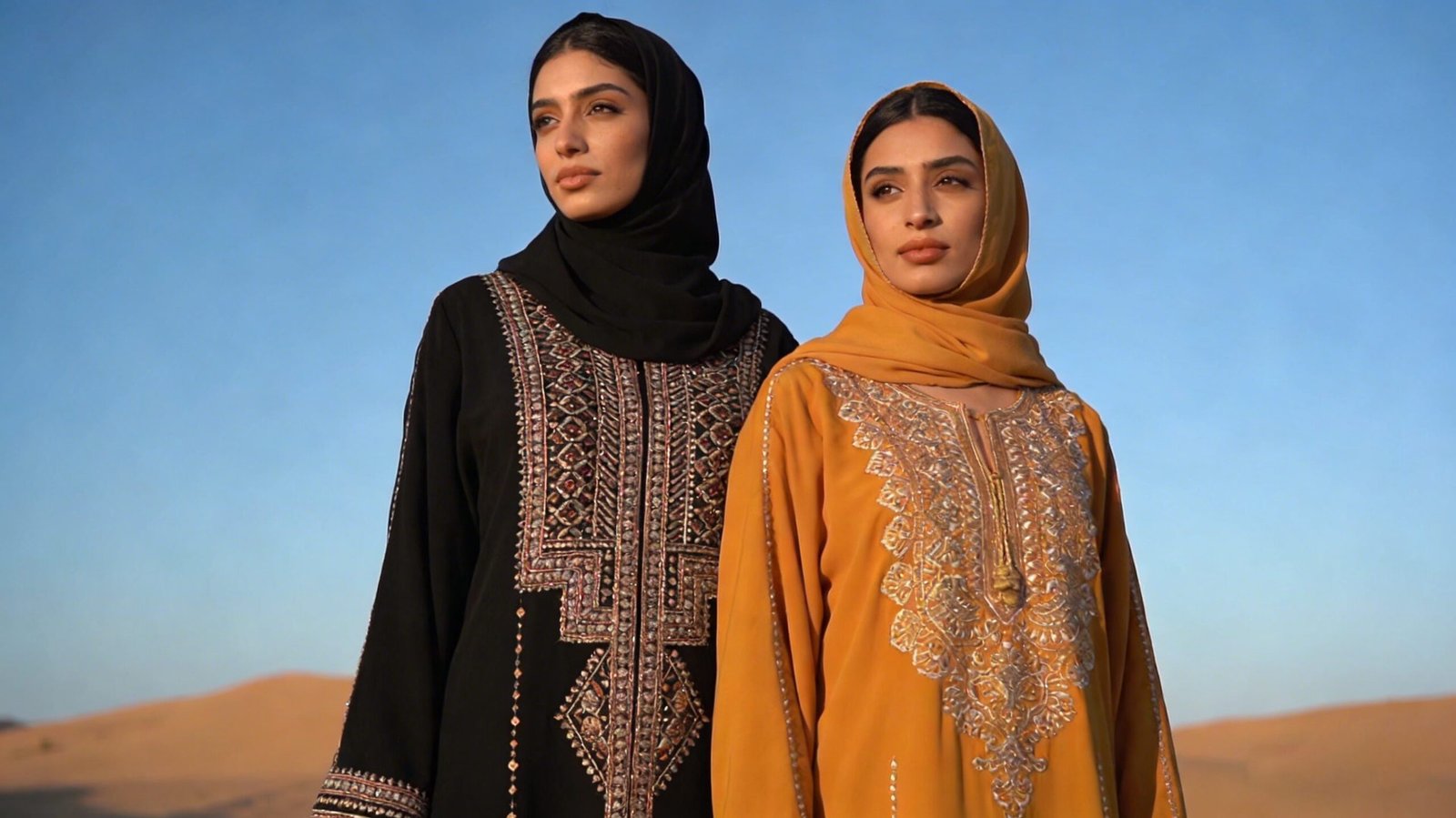
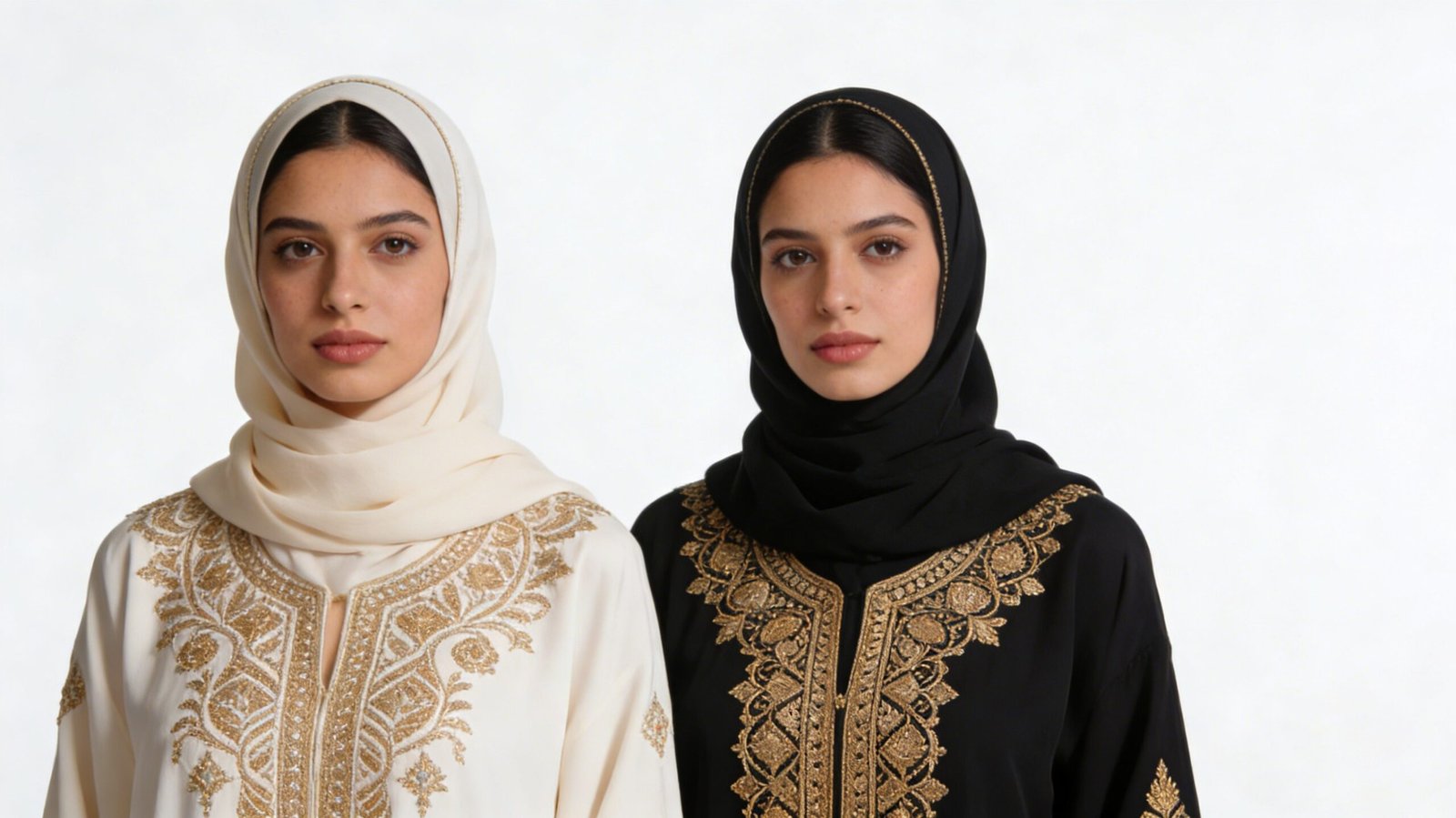
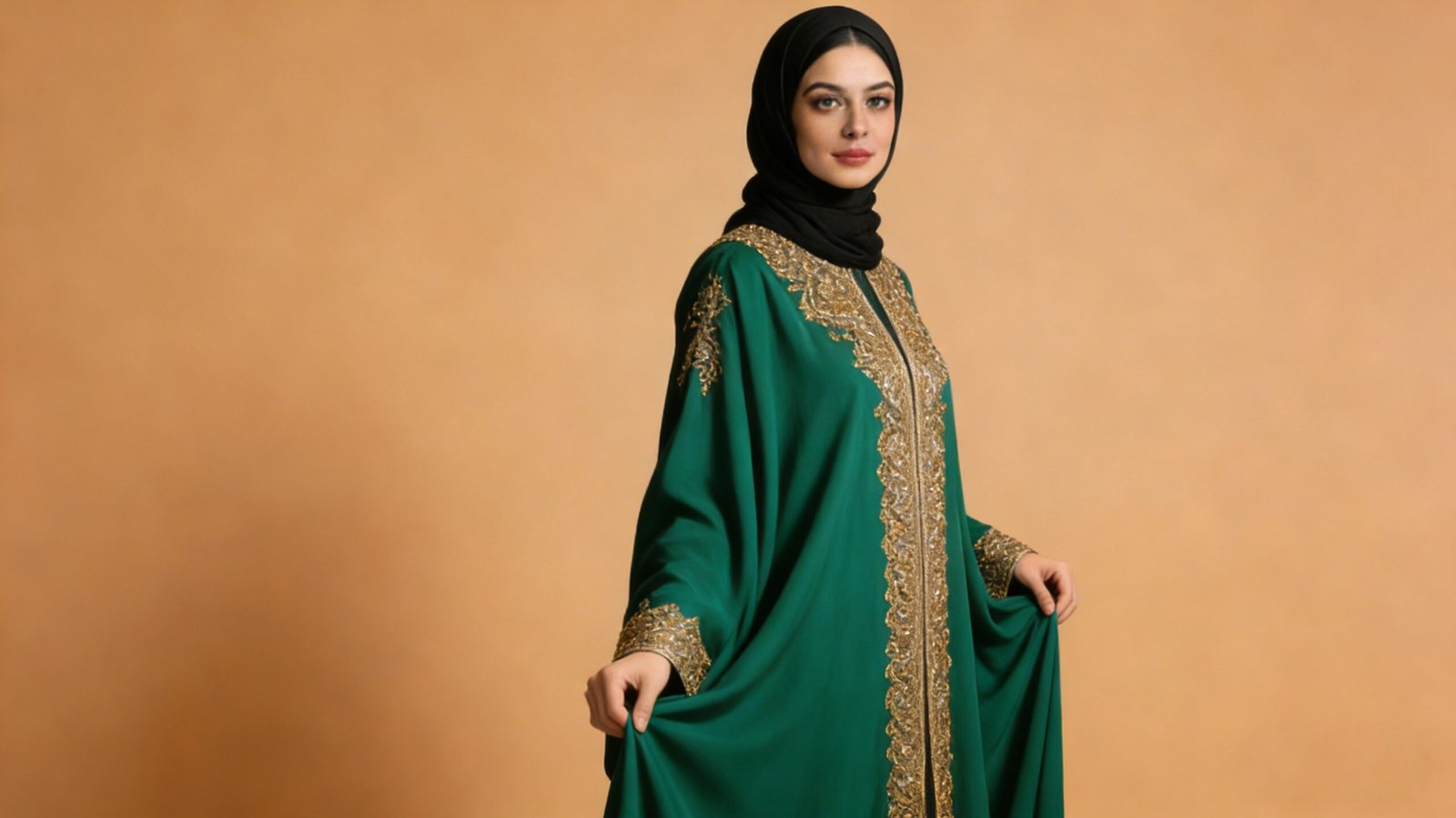
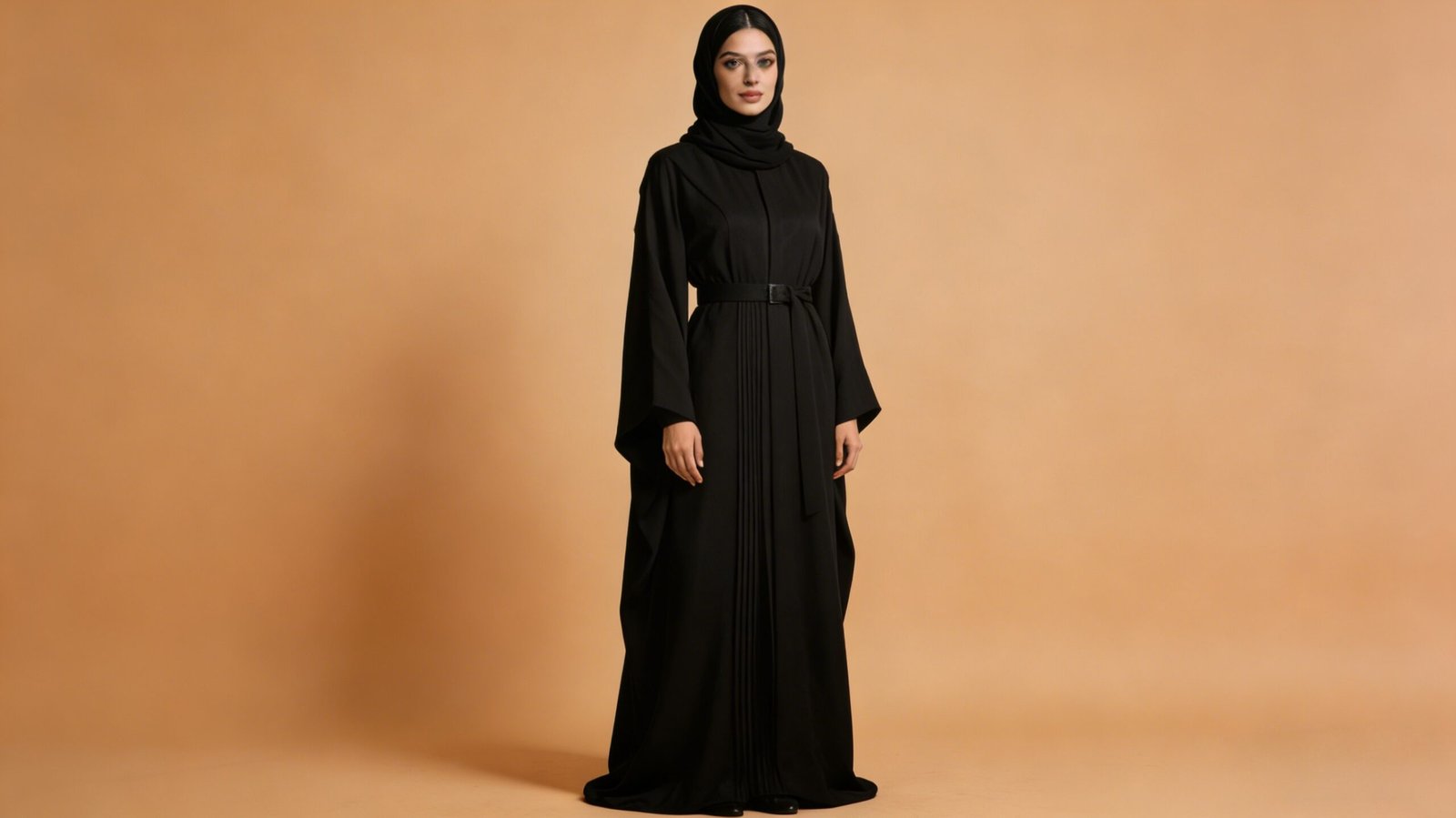
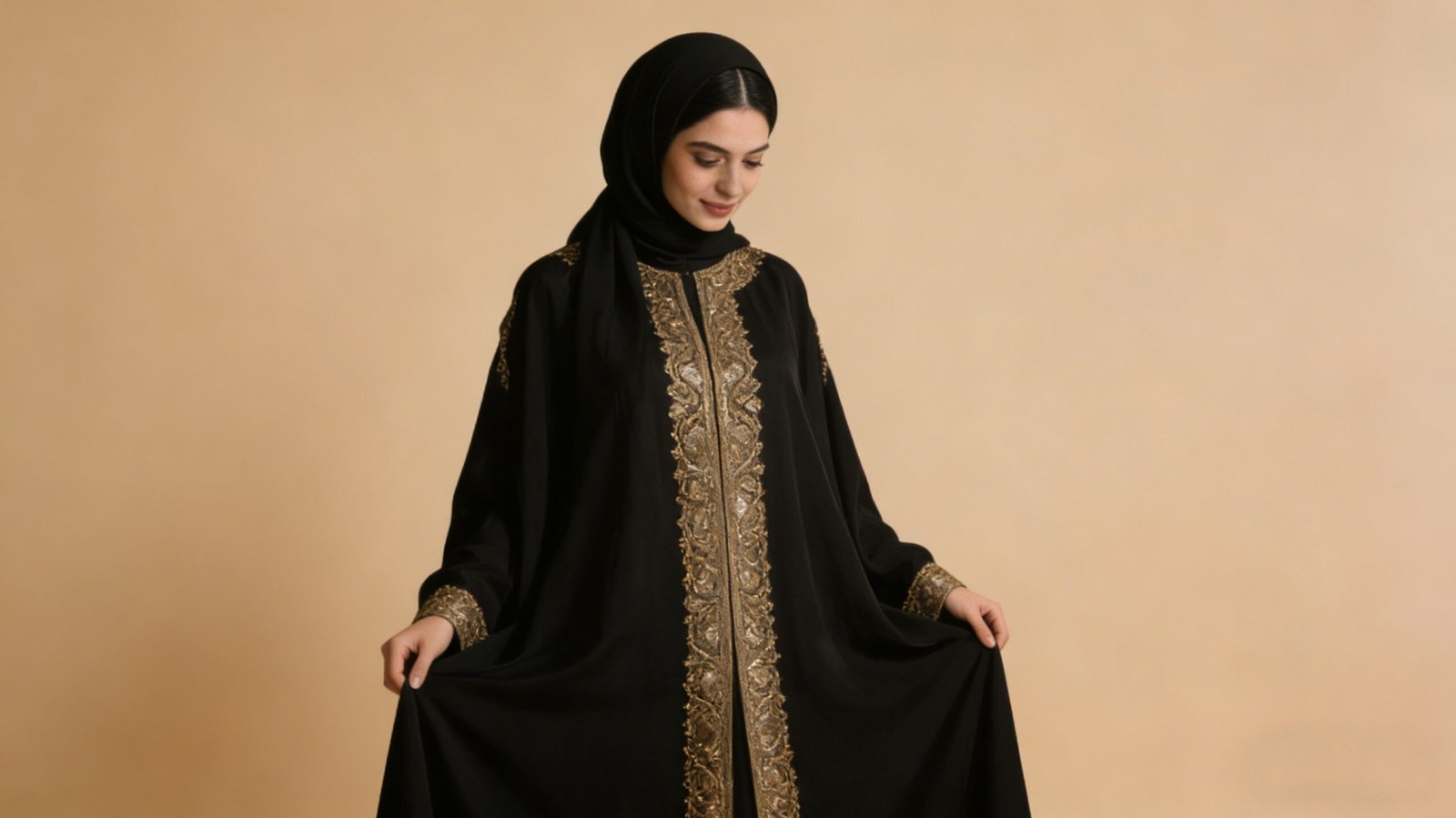
Private label suppliers give you the freedom to create Abayas that truly reflect your market. Want bold embroidery? Minimalist silhouettes? Luxe fabrics? No problem.
To explore more customization possibilities, check out our dedicated page on Private label Abaya benefits and how custom features help you stand out.
You can also dive deeper into detailed custom Abaya manufacturing options, including sizing specs, trims, and production workflow.
External industry insights also back this up. Shopify’s Private Label Guide explains why customization is the future of small and mid-sized fashion brands.
3. Cost-Efficient and Scalable Production
Private label manufacturing helps you scale without building your own factory. You don’t have to worry about hiring workers, buying machines, or managing raw materials.
Instead, you focus on what actually grows revenue—marketing, branding, sales, and customer experience.
If you’re new to private label and want a simple breakdown of suppliers, you can explore our overview of white label clothing suppliers and how they differ from OEM manufacturers.
4. Faster Response to Market Trends
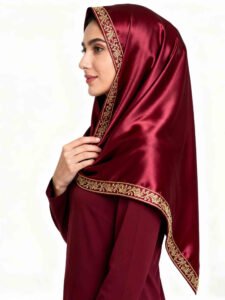
Trends in modest wear shift faster than ever. From satin bisht-style Abayas to lightweight summer fabrics, staying relevant is everything.
According to FashionUnited’s analysis on private label growth trends, brands that use private label manufacturing adapt to fashion shifts twice as fast as traditional retailers.
We also publish trend-driven guides—like our upcoming series on seasonal Abaya trend forecasting—to keep your product line fresh.
5. Professional Quality and Reliability
Quality makes or breaks a fashion brand. A trustworthy private label manufacturer ensures consistent fabrics, stitching, fitting, and finishing across all batches.
If you want a deep dive into quality control and production workflow, our article on Custom Abaya manufacturing guide walks through every step from sampling to final inspection.

Start Your Private Label Abaya Line Today
Ready to Build Your Own Abaya Brand?
We help brands, boutiques, and distributors create high-quality custom and private label Abayas—from design to production.
- ✔ Low MOQ available
- ✔ Fast sampling & reliable QC
- ✔ Fabric, trims & packaging customization
FAQ
1. What is a private label Abaya supplier?
A private label supplier produces garments that carry your brand name, not theirs. You control the design, branding, and final presentation.
2. What is the difference between white label and private label?
White label offers ready-made designs. Private label allows full customization. You can compare both models through our guide on white label clothing suppliers.
3. What is the usual MOQ for private label Abayas?
Most factories offer flexible MOQ starting from 30–100 pieces per design depending on fabric availability.
Final Thoughts
Working with the right private label Abaya supplier gives you a massive advantage—brand control, market flexibility, scalability, and reliable quality. If you want to build a strong Abaya brand with long-term growth potential, private label is one of the smartest paths forward.


One Comment