
Designing Abayas for hot climate countries isn’t just about lighter colors—it’s about engineering comfort.
If your customers live in the GCC, Southeast Asia, or other warm regions, choosing the right Abaya for hot weather can make or break repeat sales. Breathability, flow, and fabric behavior matter more than trends.
In this guide, we’ll break down the best summer Abaya styles, fabrics that actually breathe, and how smart brands adapt designs for heat—without compromising modesty or elegance.

Table of Contents
- Why Abaya Design for Hot Weather Matters
- Best Breathable Abaya Fabrics for Summer
- Best Abaya Styles for Hot Climate Countries
- Manufacturing Tips for Summer Abayas
- Frequently Asked Questions
Why Abaya Design for Hot Weather Matters
Heat changes everything—from how fabric drapes to how long a customer keeps wearing your brand.
According to Vogue Business’ analysis on breathable fabrics in fashion, climate-adapted materials are becoming a key driver of customer loyalty, especially in warm regions.
An Abaya for hot weather should feel light, airy, and forgiving—almost like a soft breeze rather than a layer of clothing.
Best Breathable Abaya Fabrics for Summer
Fabric choice is the foundation of any successful summer Abaya.
Some of the most popular breathable fabrics explained by Textile School are especially well-suited for Abayas in hot climates.
Top options include:
- Nida light weave – Smooth, flowy, and less heat-retaining
- Rayon blends – Soft, moisture-absorbing, and breathable
- Cotton blends – Natural airflow with structure
- Crepe chiffon – Lightweight with elegant movement
Brands serious about comfort often start by optimizing Summer Abaya fabrics before adjusting silhouettes.
Best Abaya Styles for Hot Climate Countries
Style doesn’t disappear in the heat—it adapts.
1. Open Front Abayas
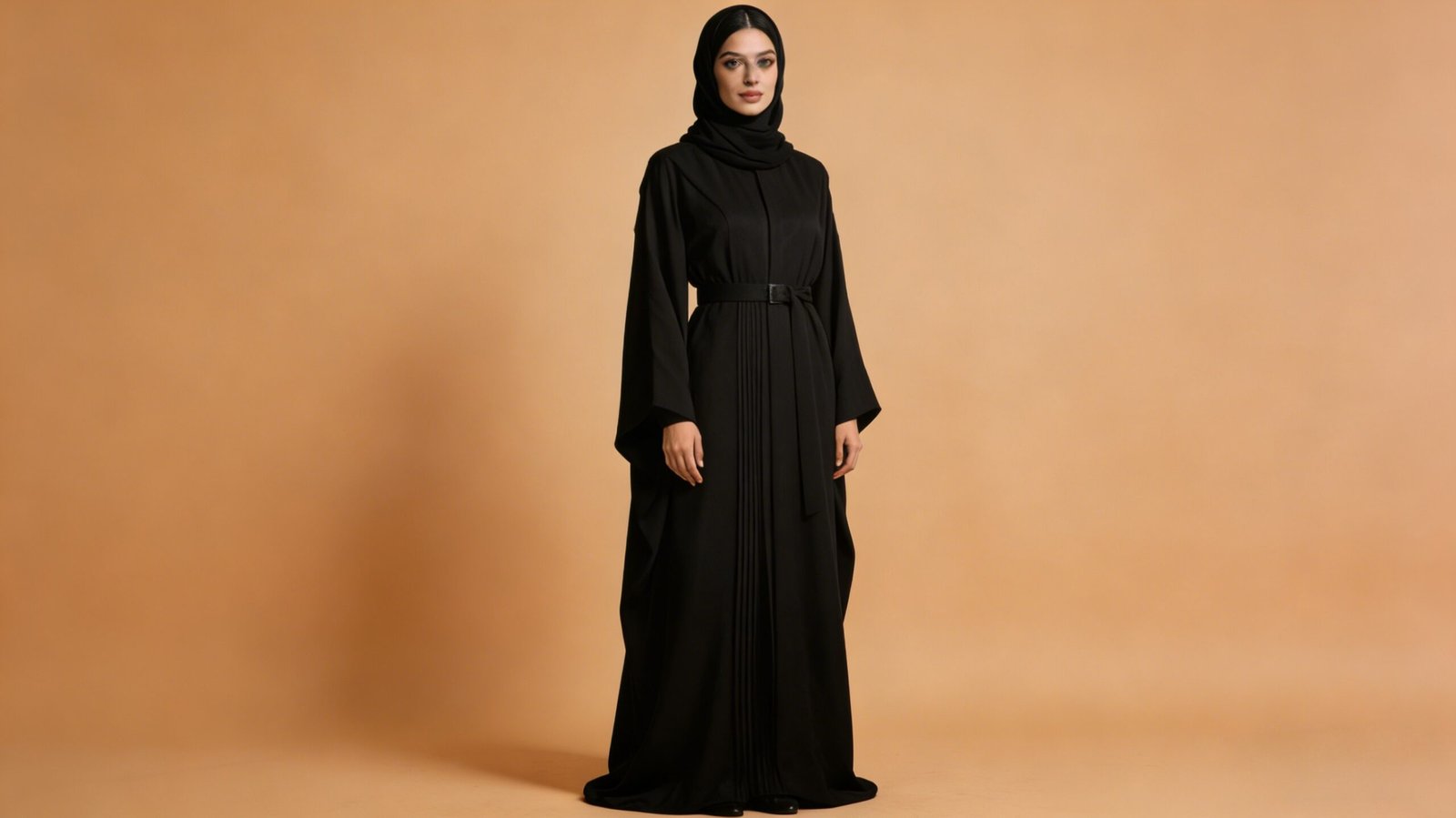
Open styles improve airflow and allow layering with breathable inner dresses. They’re especially popular in the GCC during summer months.
2. Loose-Cut Silhouettes
Air circulation matters. Relaxed cuts reduce fabric contact with the body, making them ideal for Abaya for hot weather collections.
3. Minimal Embellishment Designs
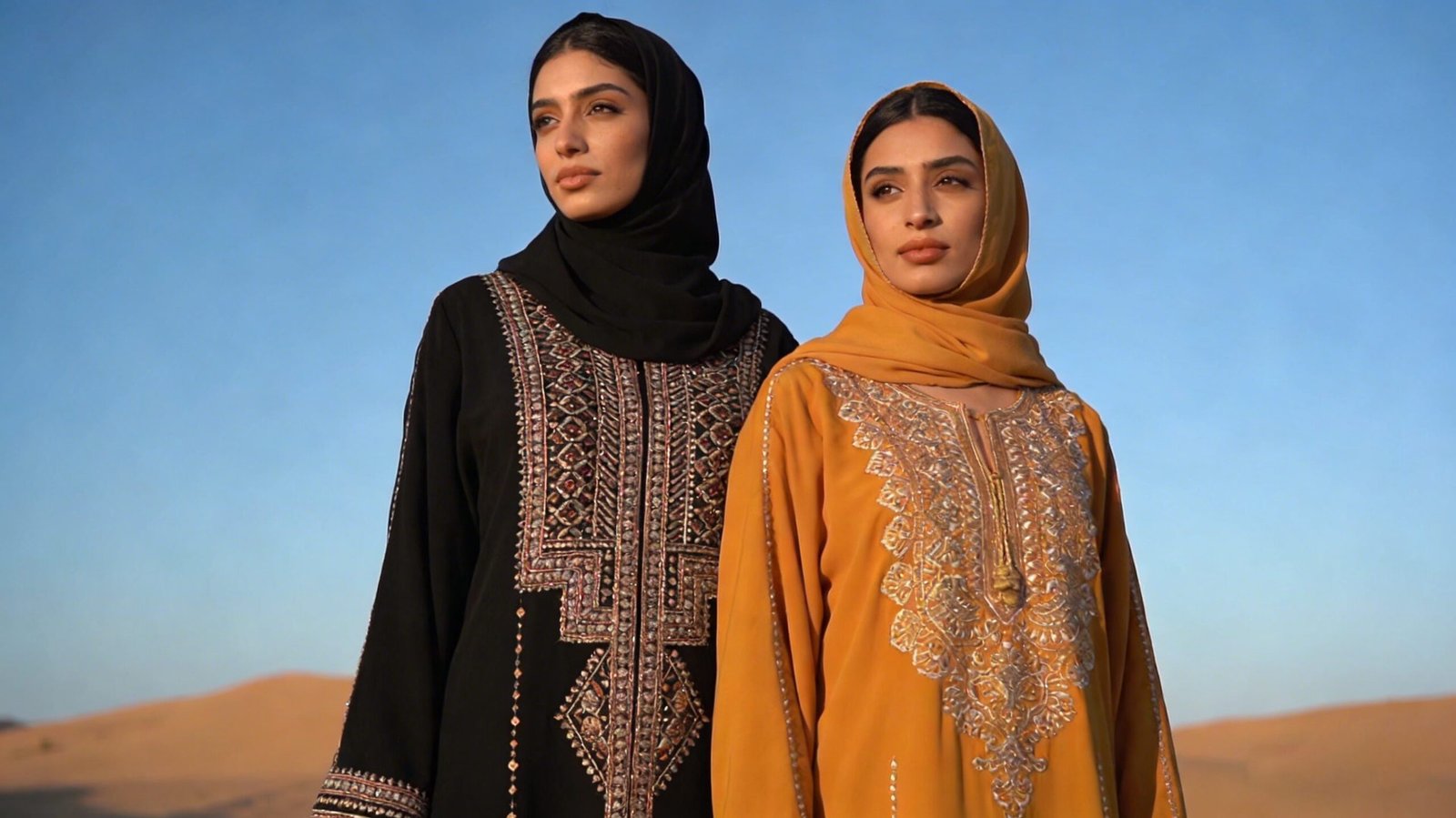
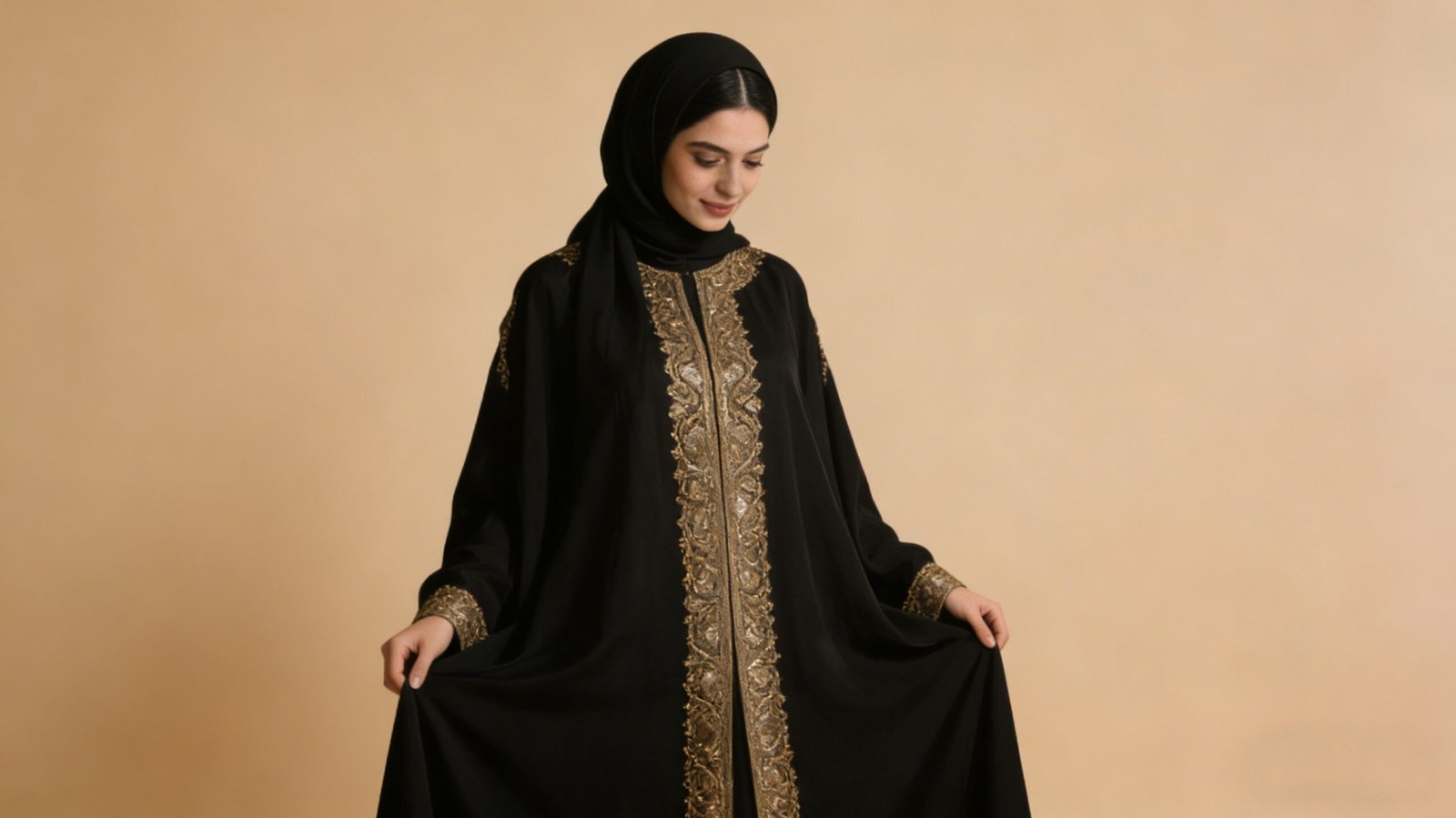
Heavy embroidery traps heat. Summer Abayas favor subtle details—tone-on-tone stitching or light trims.
4. Light Color Palettes
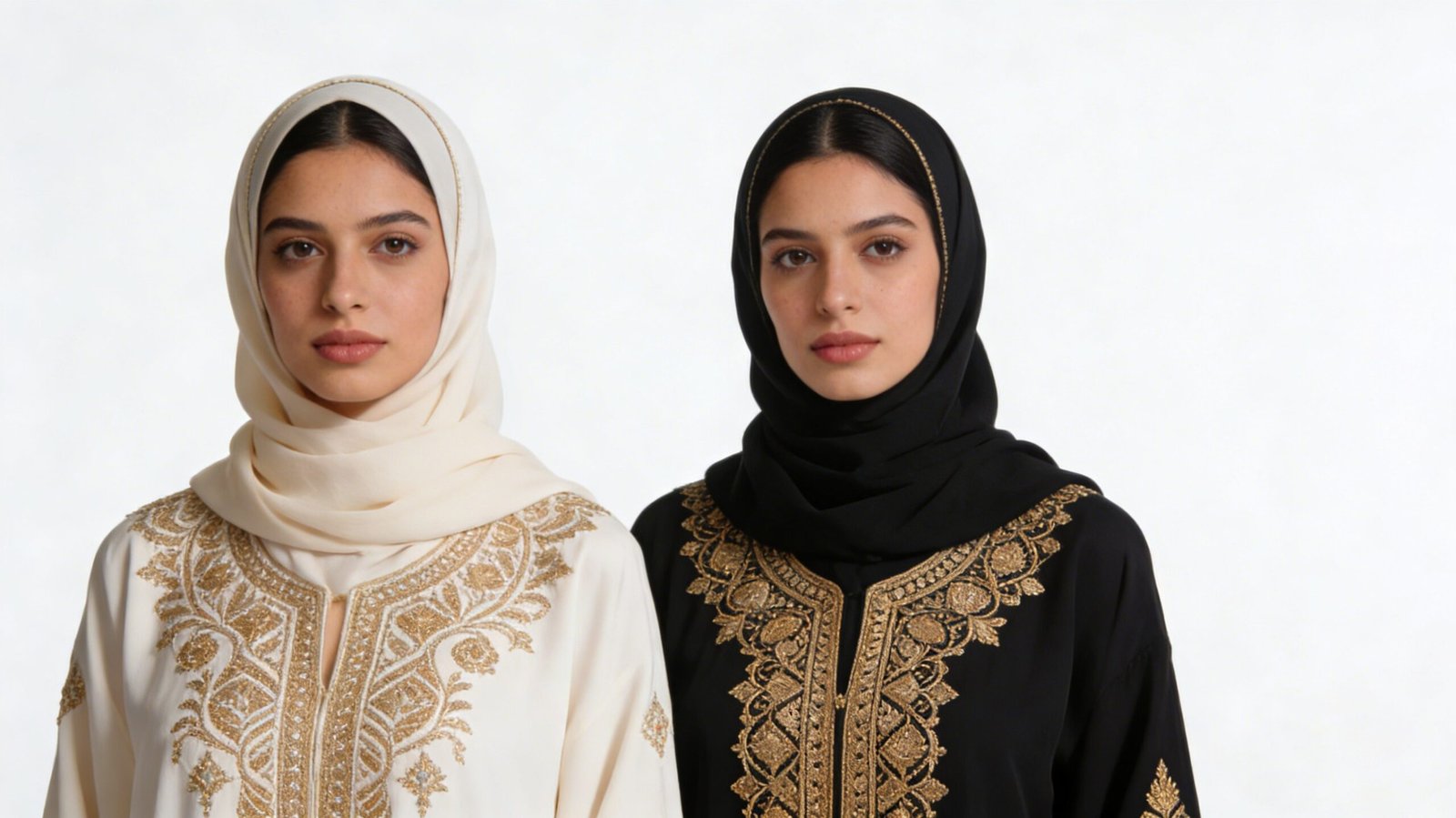
Ivory, sand, soft grey, and pastel tones reflect heat and feel visually refreshing.
Many brands targeting warm regions coordinate these designs through OEM & custom Abaya manufacturing to ensure consistency across seasonal drops.
Manufacturing Tips for Summer Abayas
Designing is one thing. Producing for heat is another.
Successful brands often:
- Test fabric airflow before bulk production
- Reduce lining or use partial linings only
- Adjust stitch density for lighter garments
Working with an experienced Abaya manufacturer helps prevent common mistakes—like beautiful designs that feel unbearable in real heat.
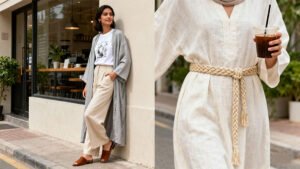
For brands serving multiple regions, it’s common to pair summer collections with market-specific insights from regional Abaya market strategies.
Designing Abayas for Hot Weather Markets?
From breathable fabrics to summer-ready silhouettes, we help brands create Abayas that stay cool, elegant, and sell-through fast in warm climates.
Frequently Asked Questions
What is the best Abaya fabric for hot weather?
Lightweight nida, rayon blends, and breathable cotton blends perform best in hot climates.
Can Abayas still look luxurious in summer?
Absolutely. Luxury comes from drape, craftsmanship, and fit—not fabric weight.
Should summer Abayas be fully lined?
Usually no. Partial or no lining improves comfort in high temperatures.
Final Thoughts
The best Abaya for hot weather feels effortless—like it belongs in the climate it’s worn in.
When you combine breathable fabrics, thoughtful silhouettes, and smart manufacturing, summer Abayas don’t just survive the heat—they thrive in it.
And for brands, that comfort quickly turns into loyalty.


One Comment