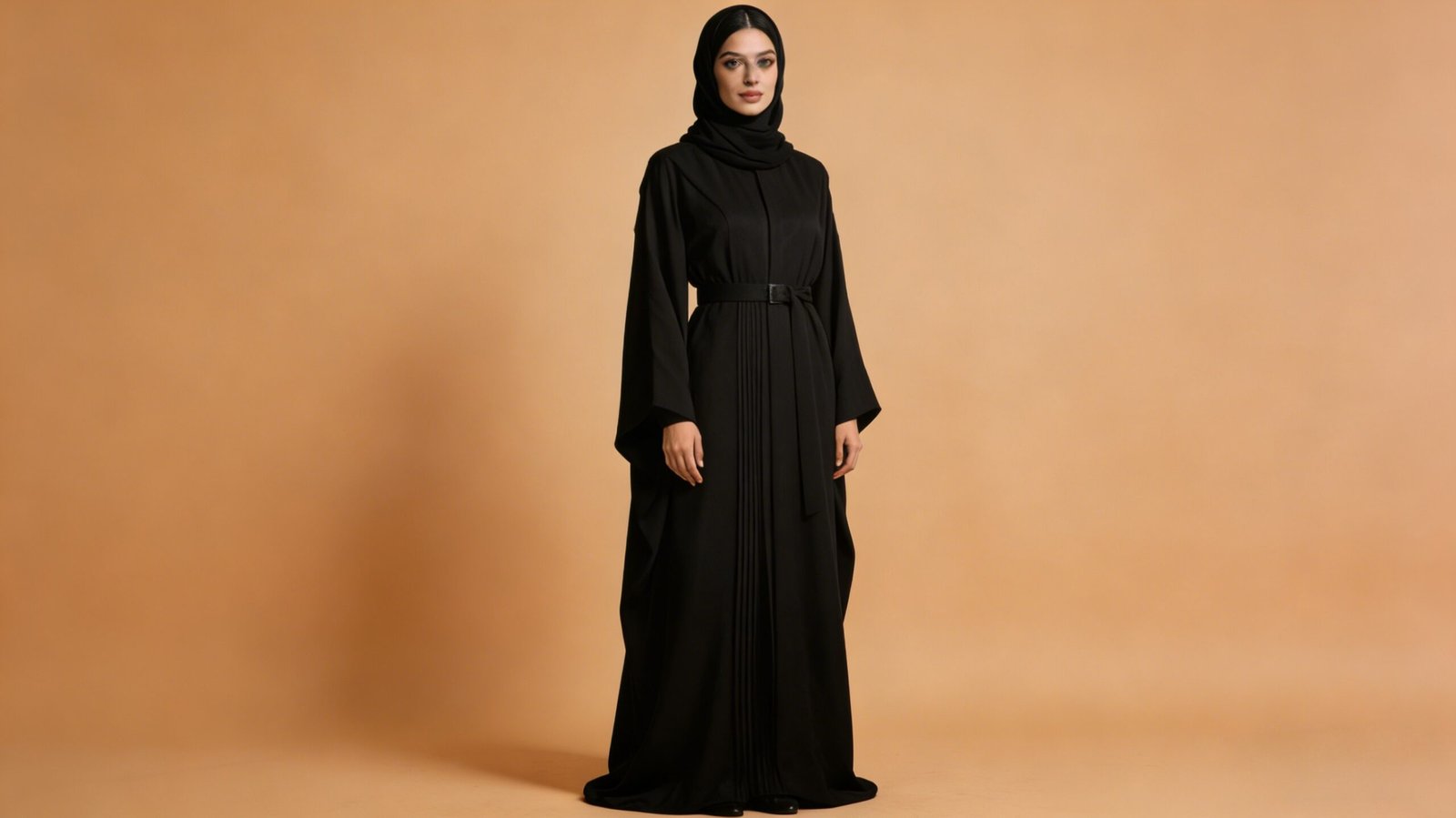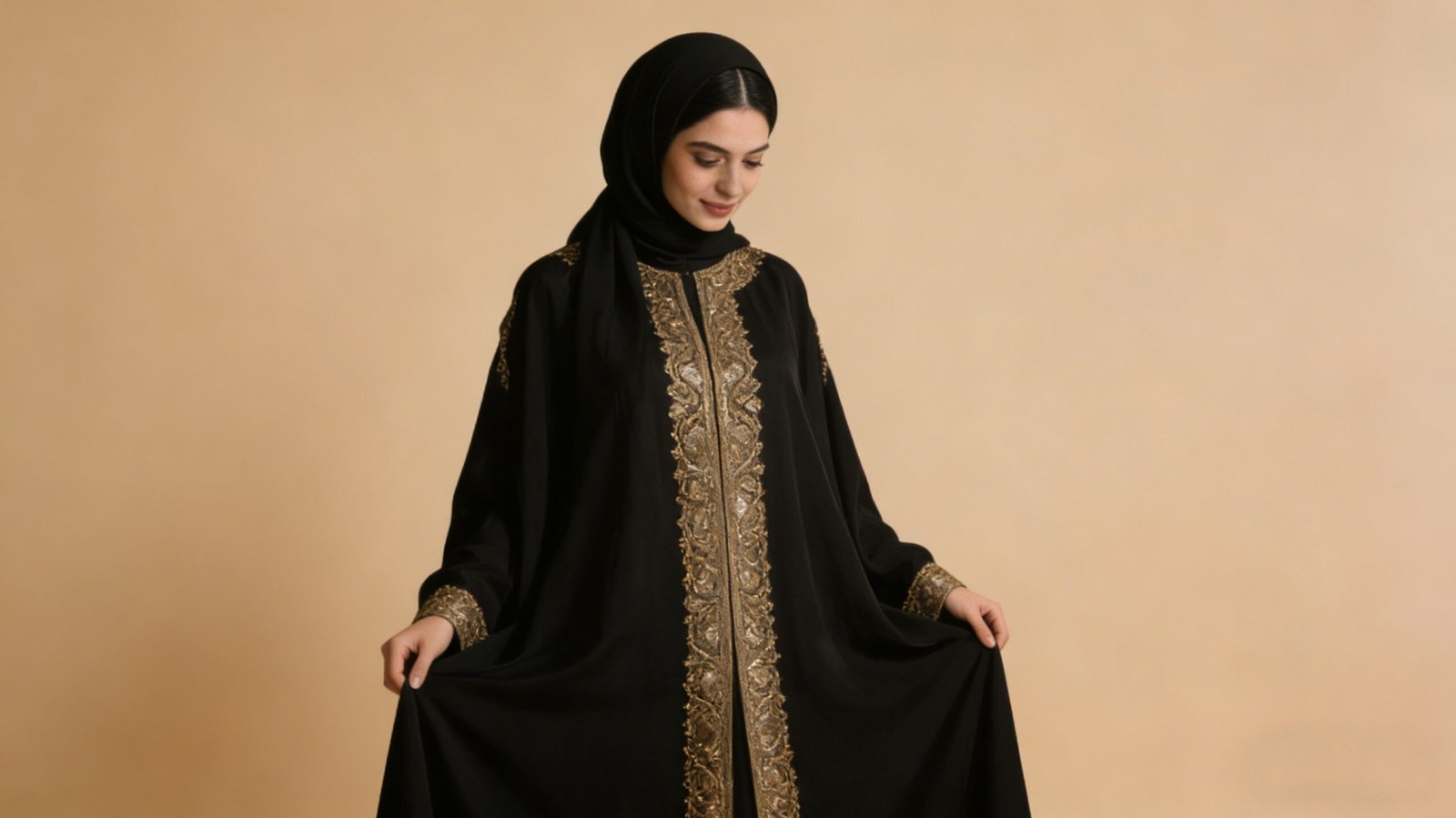
Abaya manufacturing cost often grows quietly through small line items—fabric waste, trims, sampling rounds, and last-minute changes.
The good news? With the right approach and OEM cost control, you can protect your margins without compromising quality.
In this guide, I’ll show you how to identify hidden costs, ask the right questions, and build a transparent pricing structure—so you pay for what matters, and nothing more.
Table of Contents
What Really Drives Abaya Manufacturing Cost?
Before you can avoid hidden fees, you need to understand the main pillars of Abaya manufacturing cost.
Most quotes are built on five components:
- Fabric: weight, origin, dyeing method, shrinkage rate.
- Labor: sewing complexity, handwork, and quality control.
- Trims & Accessories: buttons, embroidery threads, labels, packaging.
- MOQ: small batches usually mean higher unit cost.
- Logistics: inland transport, export documents, and shipping method.
Many suppliers only highlight the first two. True OEM cost control comes from managing everything that follows.
OEM Cost Control: How to Lock Abaya Manufacturing Cost Before Production
Real OEM cost control isn’t about squeezing your supplier—it’s about building a transparent system that removes surprises.
Here’s how to keep your Abaya manufacturing cost stable:
- Request a full cost sheet: fabric, labor, trims, overhead, logistics—line by line.
- Confirm your MOQ: we support a minimum order of 50 pieces, giving startups room to test the market.
- Approve samples early: we offer sample shipping so you can validate quality before bulk production.
- Standardize components: reuse fabrics and trims across collections to reduce per-unit cost.
- Fix change windows: after sample approval, design changes trigger cost reviews—no silent markups.
For brands building a pricing structure from scratch, our
Abaya pricing guide
explains how fabric, labor, and MOQ interact.
Case Example: Reducing Abaya Manufacturing Cost Without Compromising Quality
A boutique brand came to us with rising Abaya manufacturing cost after multiple sample revisions.
By consolidating trims, optimizing fabric markers, and fixing their MOQ at 50 pieces, we cut their unit cost by 18%—without altering the final look.
The biggest win? Clear documentation. Once every line item was visible, OEM cost control became proactive instead of reactive.
Planning Your Next Abaya Collection?
Get transparent Wholesale Abaya pricing, a low MOQ of 50 pieces, and
fast sample shipping. Tell us your design, target market, and quantity—we’ll build a cost-efficient plan.
FAQ: Abaya Manufacturing Cost & OEM Cost Control
What usually causes hidden Abaya manufacturing cost?
Fabric waste, repeated sampling, premium trims, and logistics are the most common sources.
Transparent quotes and early approvals are the best prevention.
How does MOQ affect Abaya manufacturing cost?
Lower MOQs increase per-unit cost. That’s why our 50-piece MOQ is designed to balance flexibility and affordability.
Can OEM cost control reduce price without lowering quality?
Absolutely. Most savings come from process optimization—standardized trims, better cutting efficiency, and fewer revisions—not from cheaper materials.
Do you provide samples before bulk production?
Yes. We support sample shipping so you can validate fit, fabric, and finishing before confirming your order.
Summary
Hidden fees don’t have to be part of your sourcing story. By understanding what truly drives
Abaya manufacturing cost and applying smart OEM cost control, you can protect quality and margins at the same time.
Start with transparency, lock your processes early, and work with a partner who treats your budget like their own.