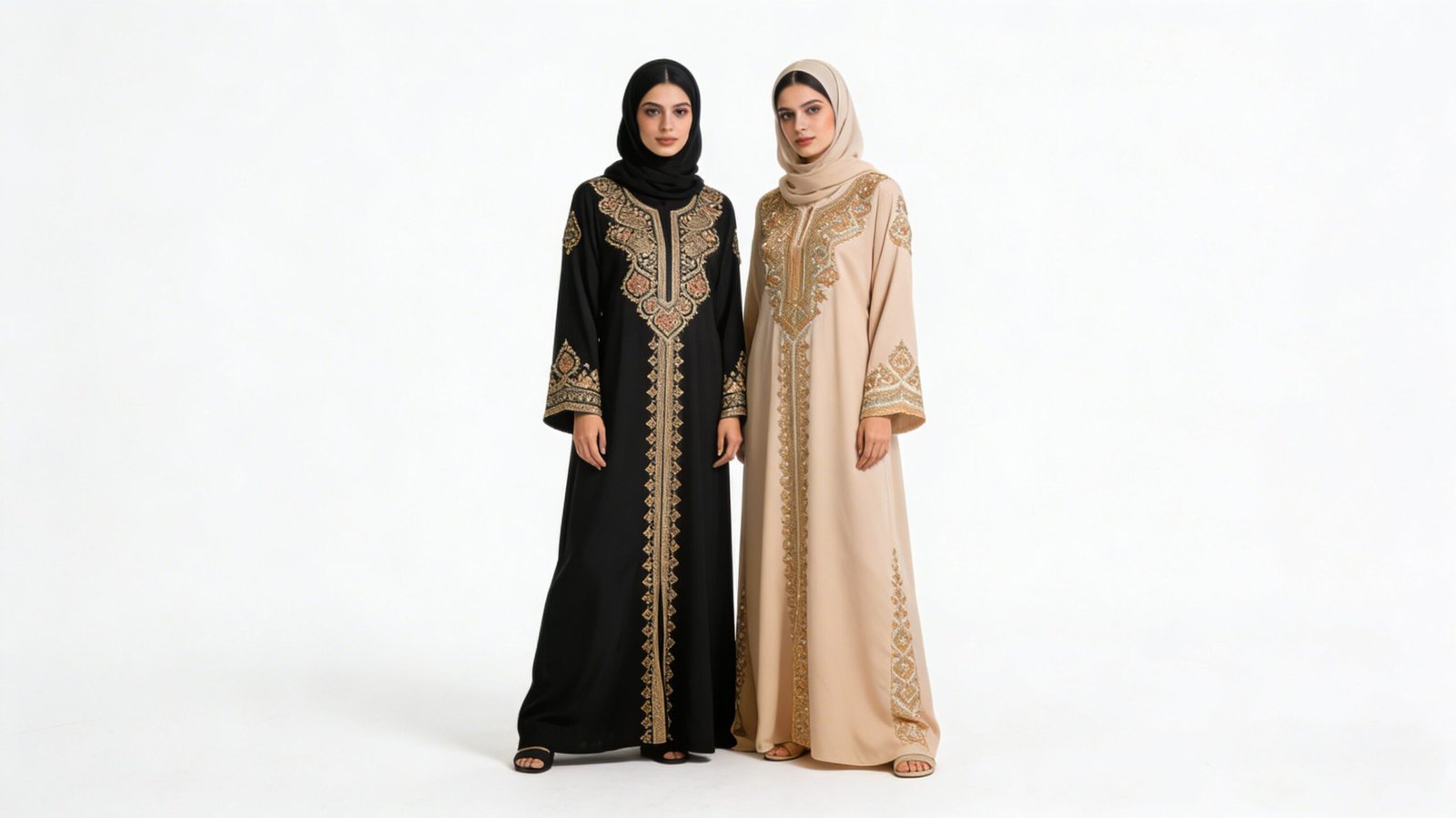
Not all Abayas sell the same everywhere—and that’s where many brands get stuck.
An Abaya that performs beautifully in Dubai might struggle in Kuala Lumpur. A style that works in Paris could feel overdressed in Riyadh. If you’re targeting multiple regions, understanding Abaya market differences isn’t optional—it’s survival.
This guide breaks down how to choose the right Abaya for GCC market, adapt designs for Malaysia Abaya buyers, and align with evolving European Abaya styles—without losing your brand identity.
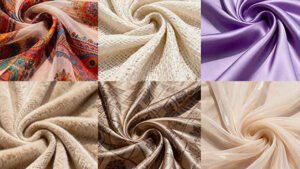
Table of Contents
- Why Abaya Market Differences Matter
- Abaya for the GCC Market: Tradition Meets Luxury
- Malaysia Abaya Market: Practical, Modern, Modest
- European Abaya Styles: Modesty with a Fashion Lens
- Aligning Design with OEM & Custom Manufacturing
- الأسئلة المتداولة
Why Abaya Market Differences Matter
Think of Abaya design like language. The message may be the same, but the accent must change.
According to Business of Fashion’s analysis on modest fashion going mainstream, regional preferences now influence silhouettes, fabrics, and branding more than ever.
Ignoring these nuances often leads to:
- Low sell-through rates
- High return volumes
- Disconnected brand perception
Understanding Abaya market differences allows brands to localize without fragmenting their identity.
Abaya for the GCC Market: Tradition Meets Luxury
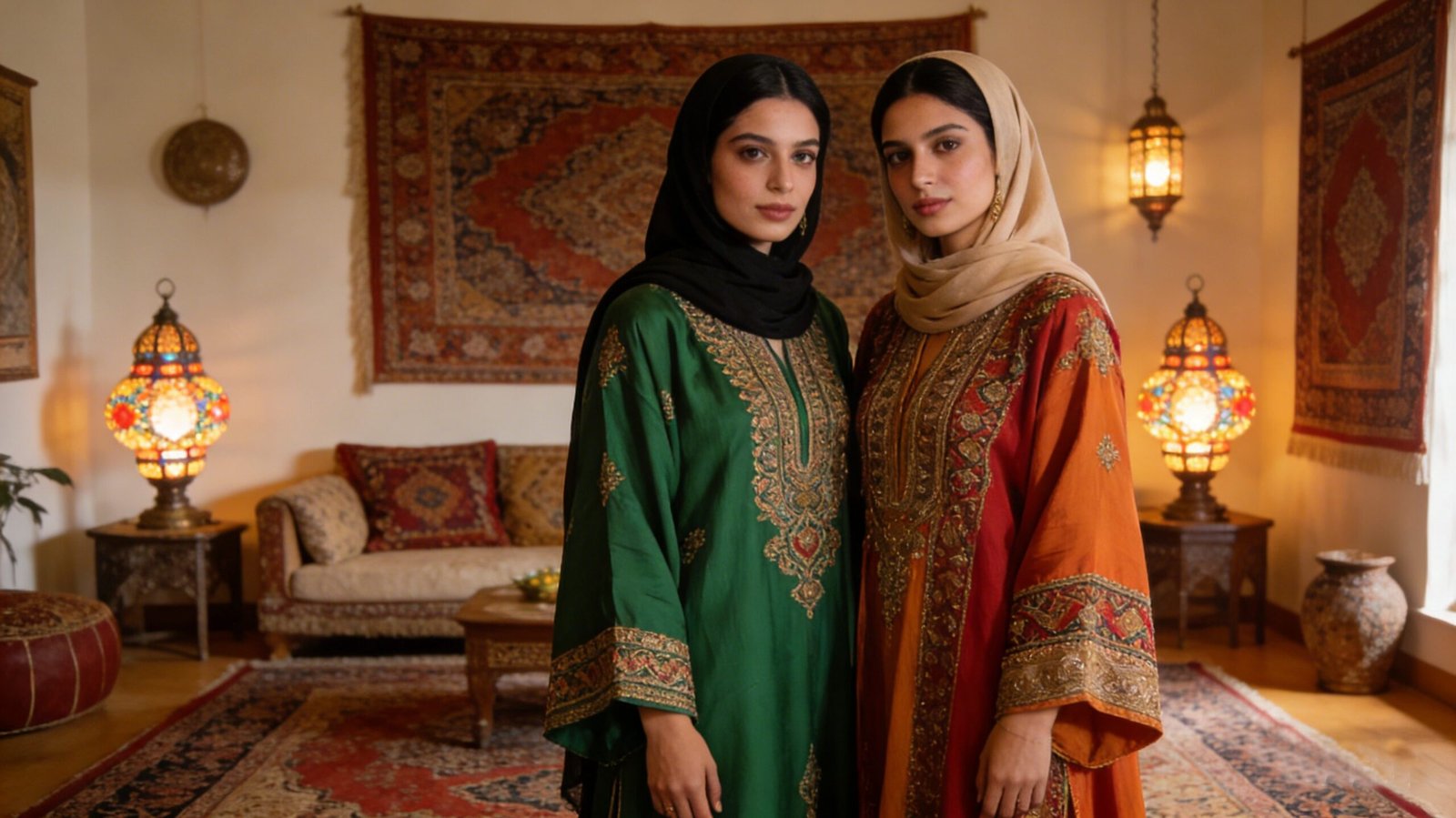
The Abaya for GCC market is deeply rooted in cultural expectations—but that doesn’t mean conservative design.
GCC customers often look for:
- Flowing silhouettes with generous coverage
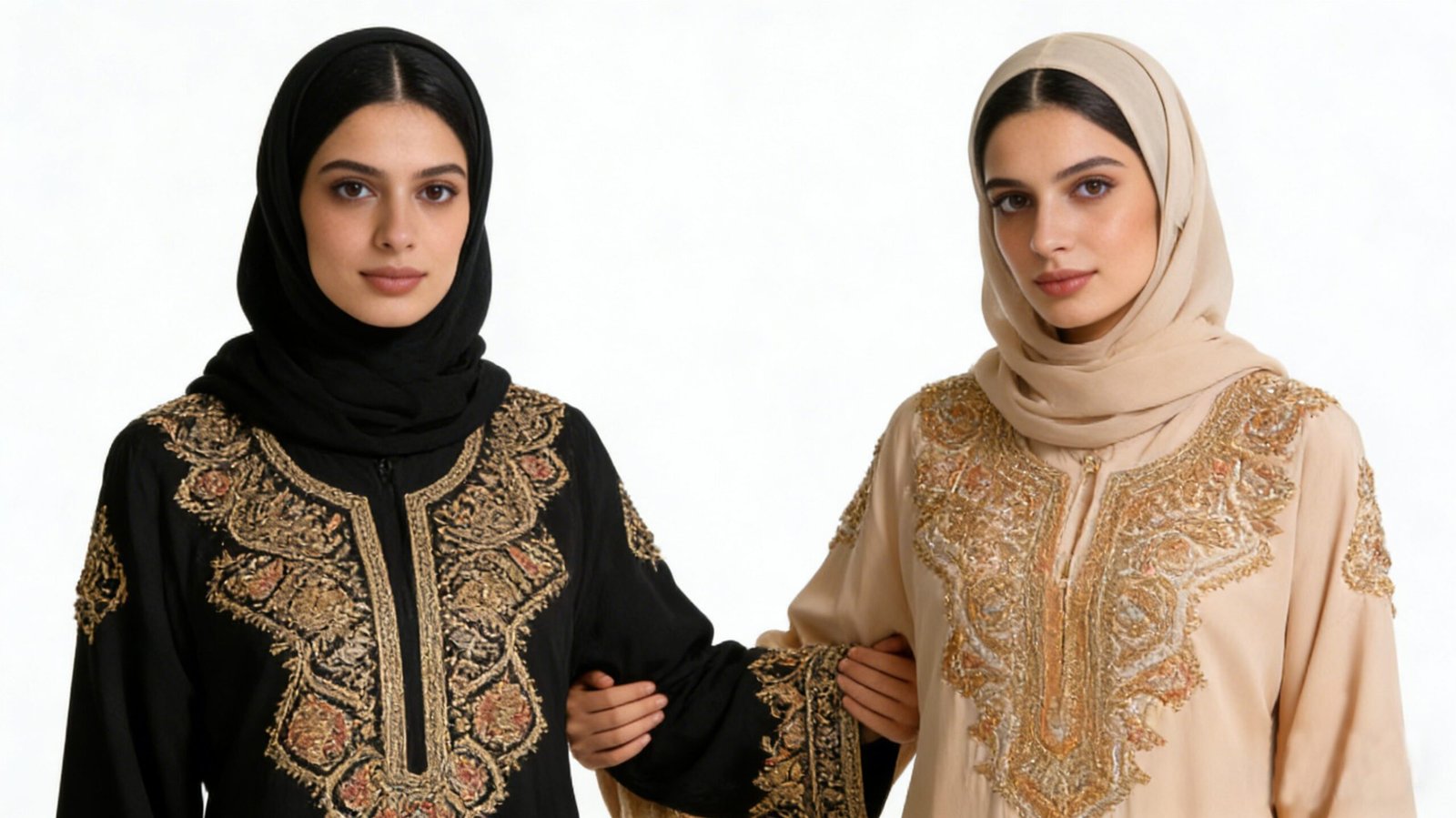
- Premium fabrics like nida, crepe, and silk blends
- Subtle embellishments—embroidery, beading, tonal trims
Luxury matters here. According to McKinsey’s regional fashion insights in Fashion in the Middle East, GCC consumers associate craftsmanship and fabric quality directly with brand credibility.
This is why many brands targeting this region work closely with OEM & custom Abaya manufacturing partners to control materials, drape, and finishing details.
Malaysia Abaya Market: Practical, Modern, Modest
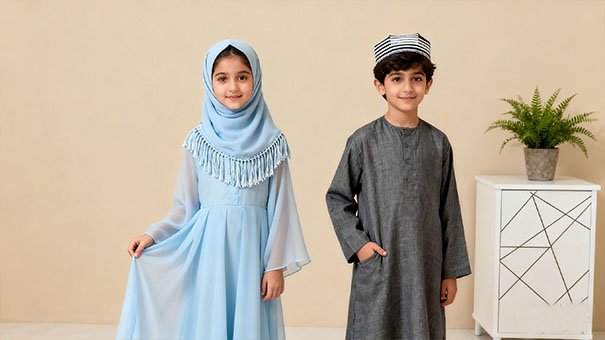
The Malaysia Abaya market is younger, more dynamic, and highly lifestyle-driven.
Here, customers value:
- Lighter fabrics suitable for humid climates
- Practical cuts for daily wear
- Minimalist designs with modern touches
Unlike the GCC, Malaysian buyers often prioritize comfort over formality. Many brands blend Abayas with elements of jubah or modest dresses.
This market rewards flexibility. Brands that adapt quickly through custom Abaya manufacturing often outperform rigid, one-style-fits-all collections.
European Abaya Styles: Modesty with a Fashion Lens
European Abaya styles are where modest fashion and contemporary design truly intersect.
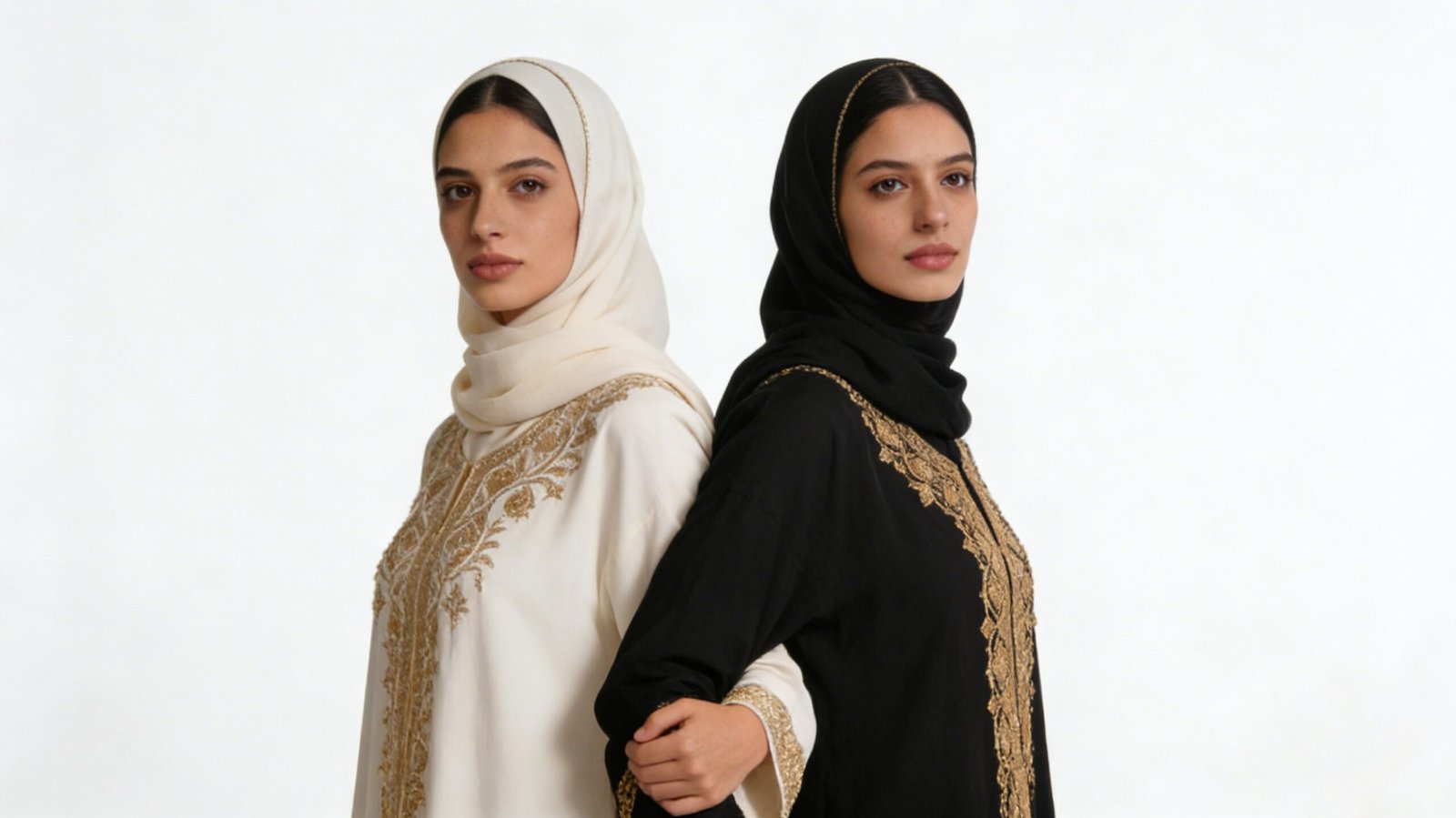
In Europe, Abayas are often styled as:
- Layering pieces
- Statement outerwear
- Minimalist fashion garments
Neutral tones, structured tailoring, and versatility are key. According to Vogue Business’ report on modest fashion growth in Europe, adaptability across settings significantly boosts repeat purchases.
For this market, working with an experienced Abaya manufacturer ensures designs meet both modesty expectations and European fashion standards.
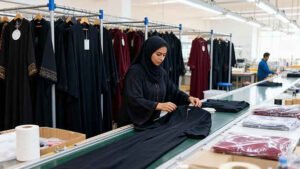
Aligning Design with OEM & Custom Manufacturing
Here’s the reality: design alone doesn’t win markets—execution does.
Brands serving multiple regions often succeed by:
- Using core designs with localized variations
- Adjusting fabric weight and color palettes by market
- Scaling efficiently through OEM & private label Abaya production
This approach protects brand consistency while respecting local expectations.
Planning Abayas for Multiple Markets?
From GCC luxury styles to lightweight Malaysian designs and European-ready silhouettes, we help brands customize Abayas for each market—without losing consistency.
الأسئلة المتداولة
Can one Abaya design work in all markets?
Rarely. Successful brands localize fabrics, colors, and cuts while keeping a consistent brand identity.
Which market is best for new Abaya brands?
Malaysia and Europe often offer lower entry barriers, while the GCC rewards premium positioning and craftsmanship.
How can manufacturers support multi-market strategies?
Through flexible OEM production, fabric sourcing options, and scalable customization.
Final Thoughts
Choosing the right Abaya for GCC market, Malaysia, or Europe isn’t about following trends—it’s about understanding people.
When your designs respect cultural expectations while embracing modern lifestyles, your brand doesn’t just sell—it connects.
And in today’s global modest fashion market, connection is the real competitive edge.