
If you want your brand to build trust, reduce returns, and stand out among competitors, a solid quality assurance system is non-negotiable. Let’s break down how top Abaya producers maintain high standards from fabric to final packaging.
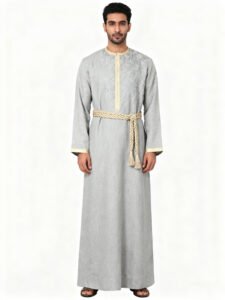
Table of Contents
- Why Quality Control Matters in Abaya Manufacturing
- Understanding the Abaya Manufacturing Process
- Setting Clear Quality Standards
- Key Steps in the Abaya Inspection Process
- Working With Reliable Manufacturing Partners
- Need High-Quality Abaya Production?
- FAQ
- Conclusion
1. Why Quality Control Matters in Abaya Manufacturing
Imagine spending weeks designing a beautiful Abaya—only to see customers complain about loose threads or uneven hems. Quality control prevents these problems before they reach your buyers. Strong QC systems help:
- Reduce product returns
- Increase customer loyalty
- Strengthen brand reputation
- Improve production efficiency
Modern consumers—especially in the Gulf region—expect premium craftsmanship. That’s why so many brands now focus on ensuring Abaya quality from day one.
Industry experts such as ISO outline detailed guidelines for textile inspection. For example, the ISO 2859-1 sampling procedures are widely used to evaluate textile product quality.
2. Understanding the Abaya Manufacturing Process
To understand where quality issues happen, you need a clear view of the production flow. The typical Abaya workflow includes:
- Fabric inspection
- Pattern development
- Cutting
- Sewing
- Finishing
- Final quality inspection
Small mistakes early in the process can multiply as production continues—which is why real quality control begins long before the first stitch.
If you want to improve workflow efficiency, our guide on Quality control in Abaya production shows how factory operations impact the final result.
3. Setting Clear Quality Standards
Brands that want consistent quality always start with clear standards. That includes:
- Fabric strength and thickness requirements
- Seam and stitch expectations
- Colorfastness standards
- Size and measurement tolerances
- Embroidery and embellishment guidelines
Having documented rules ensures every production line—and every worker—knows exactly what “good quality” means for your brand.
Textile experts like SGS offer helpful guidelines, such as their textile quality inspection procedures, which are widely referenced in the apparel industry.
4. Key Steps in the Abaya Inspection Process
A proper inspection system doesn’t rely on a single check—it uses multiple checkpoints across production. Here’s what a strong inspection process looks like:
Fabric Inspection
Before cutting begins, fabric must be checked for:
- Color variation
- Weaving defects
- Stains or damage
In-Process Inspection
During sewing, inspectors look for issues like skipped stitches or irregular seams.
Final Inspection
This is where everything is evaluated holistically—fit, stitching, trims, and overall appearance.
If you’re unsure where delays or defects happen, reading about ensuring Abaya quality might help identify your weak points.
5. Working With Reliable Manufacturing Partners
You can create the best QC system in the world—but if the factory can’t execute it, you’ll still see defects.
That’s why successful brands partner with specialized modest fashion manufacturers. Working with experts ensures:
- Consistency across large orders
- Better fabric sourcing
- Faster lead times
- Stronger quality control
Many brands rely on our custom Abaya manufacturer services because we combine experience with a structured QC process.
For brands exploring private label options, our article on supplier quality benefits explains how good factories maintain high production standards.
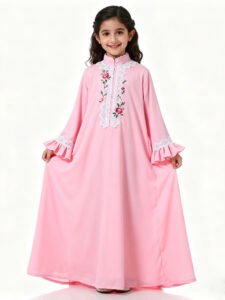
6. Need High-Quality Abaya Production?
Your Abaya brand deserves top-tier quality.
We help growing and established brands produce Abayas with consistent craftsmanship, strict QC systems, and premium materials.
7. FAQ
What is quality control in Abaya manufacturing?
It’s the process of inspecting materials, stitching, measurements, and finishing details to ensure every Abaya meets your brand’s standards.
Why do some Abayas fail inspection?
Common reasons include uneven stitching, color inconsistencies, fabric defects, and inaccurate sizing.
How do I reduce quality issues?
Work with experienced manufacturers, create clear QC guidelines, and inspect materials before production starts.
Conclusion
Quality control is not just a step—it’s a promise. A promise to your customers, your brand, and your future growth. By setting strong quality standards, improving the inspection process, and partnering with skilled manufacturers, your Abaya line becomes more reliable and trustworthy.
When every Abaya is crafted with precision, your brand becomes unforgettable.




3 تعليقات