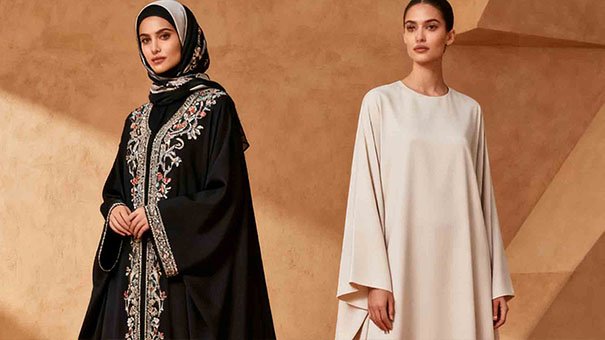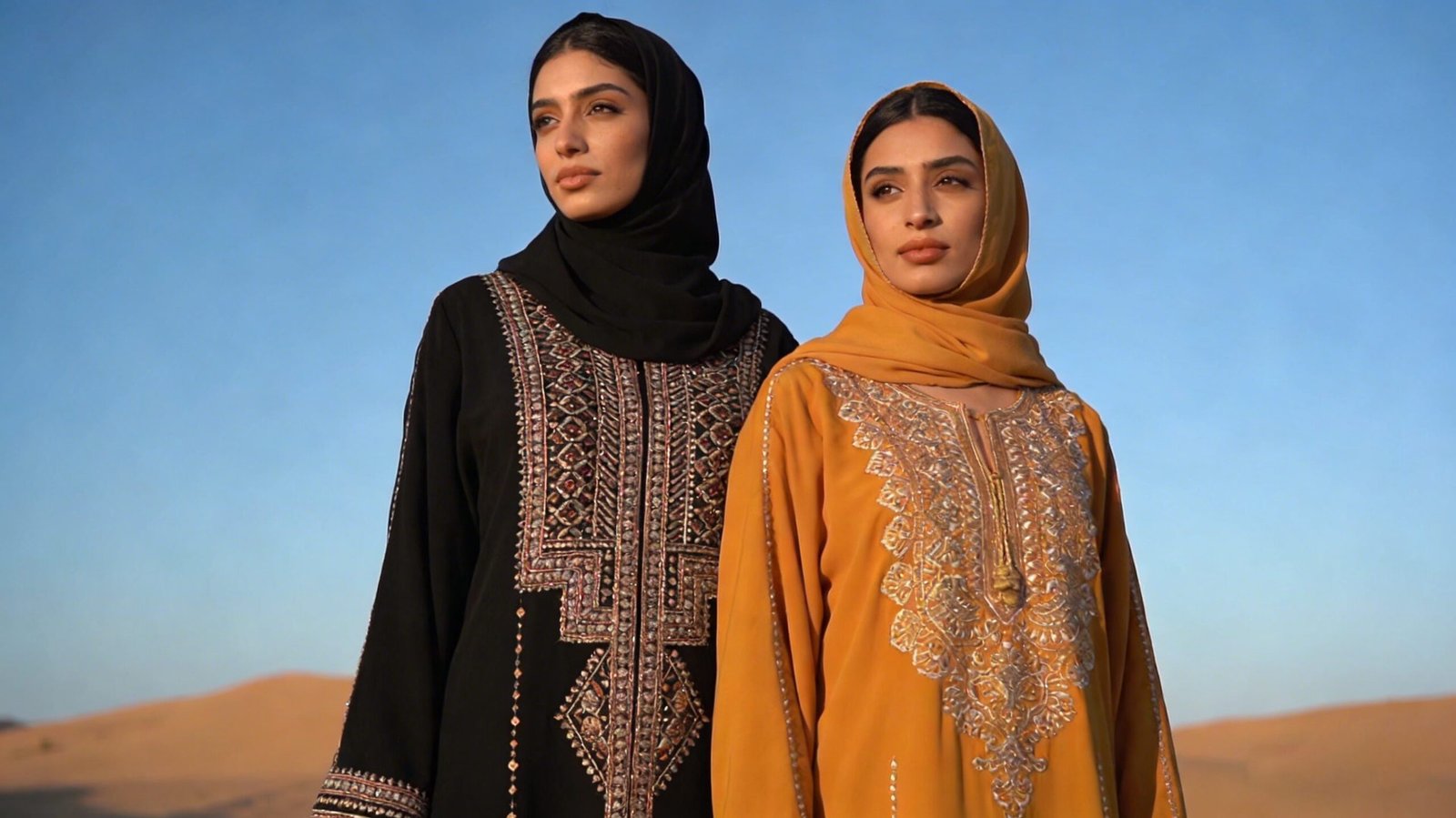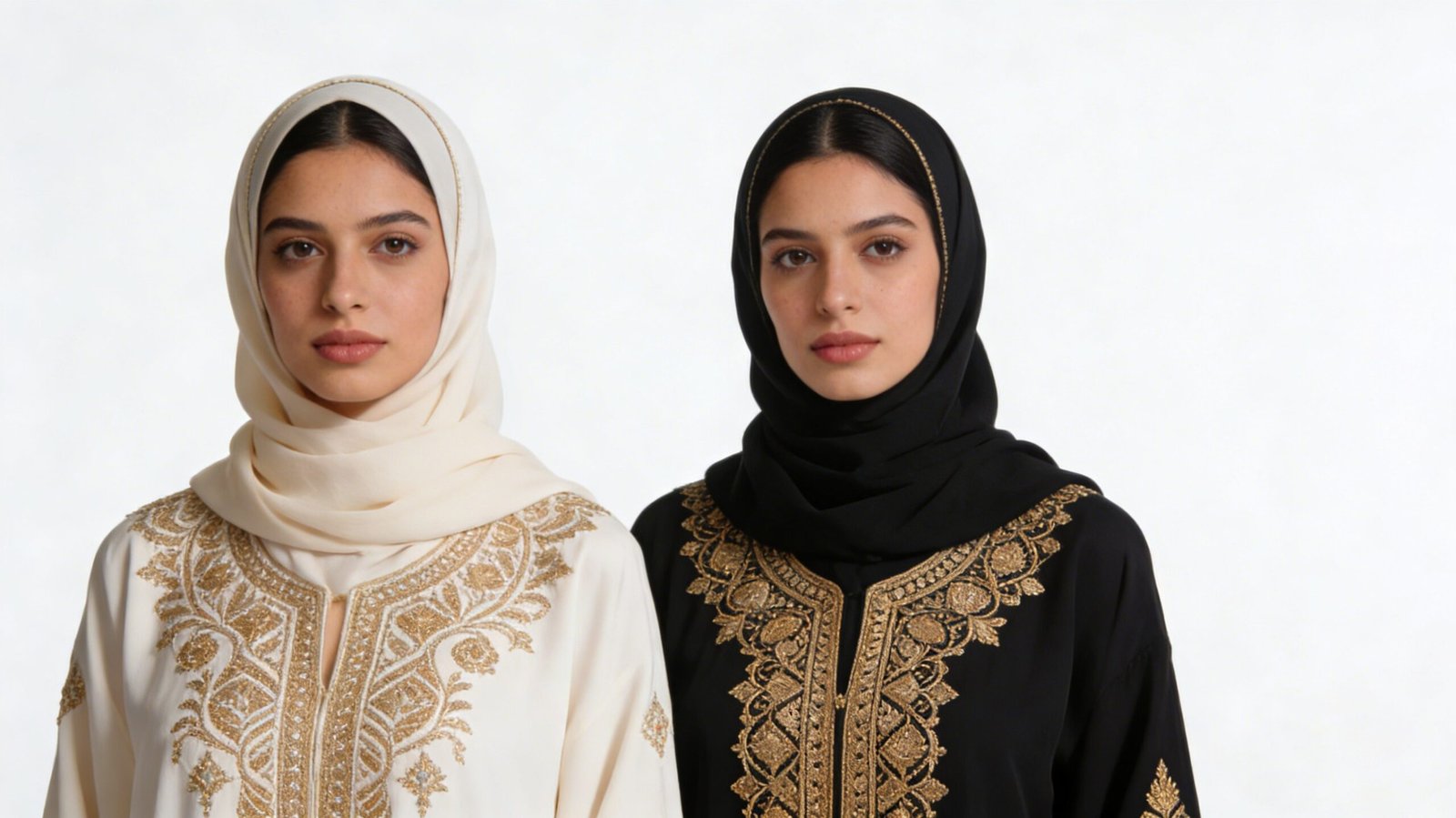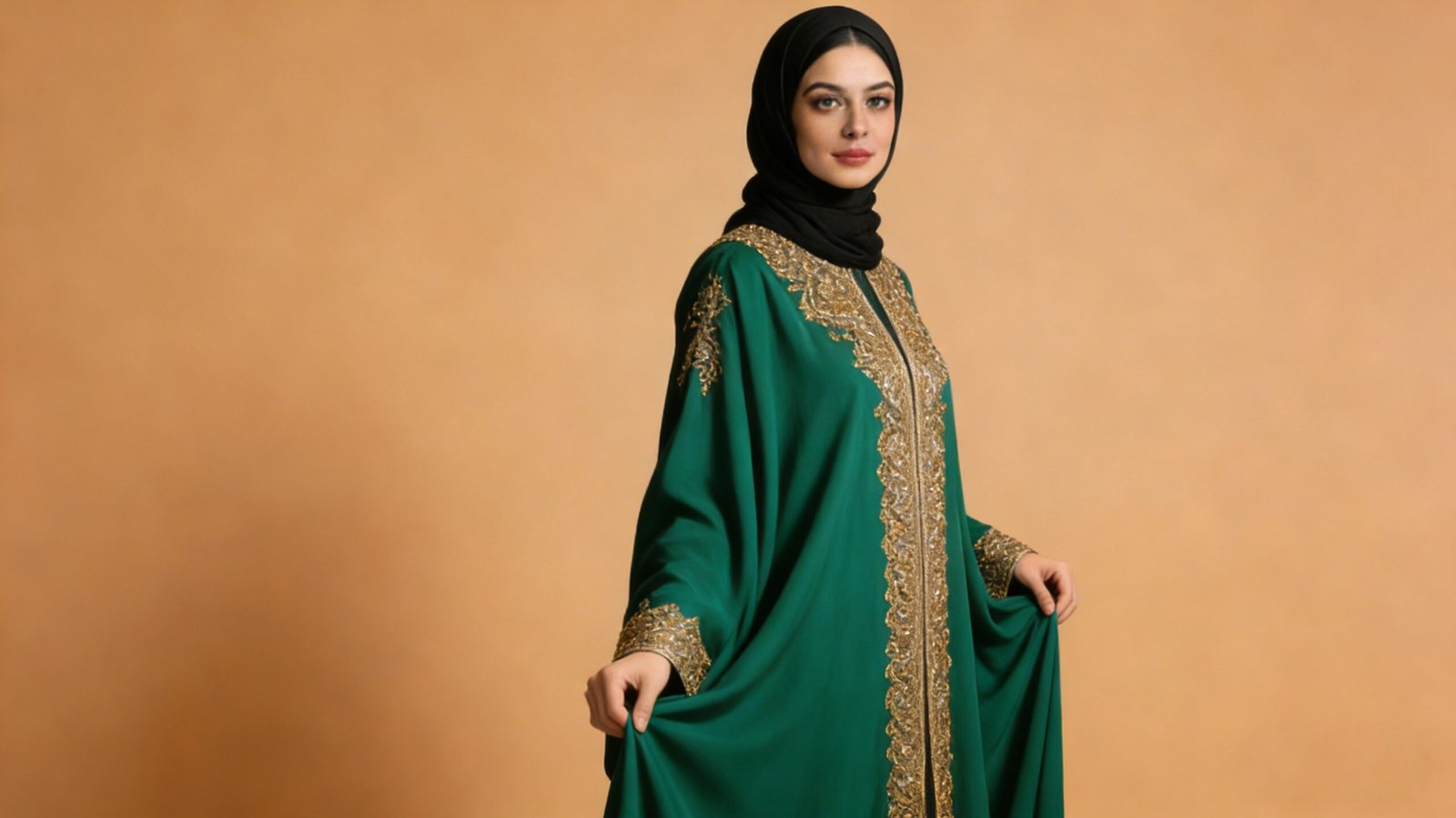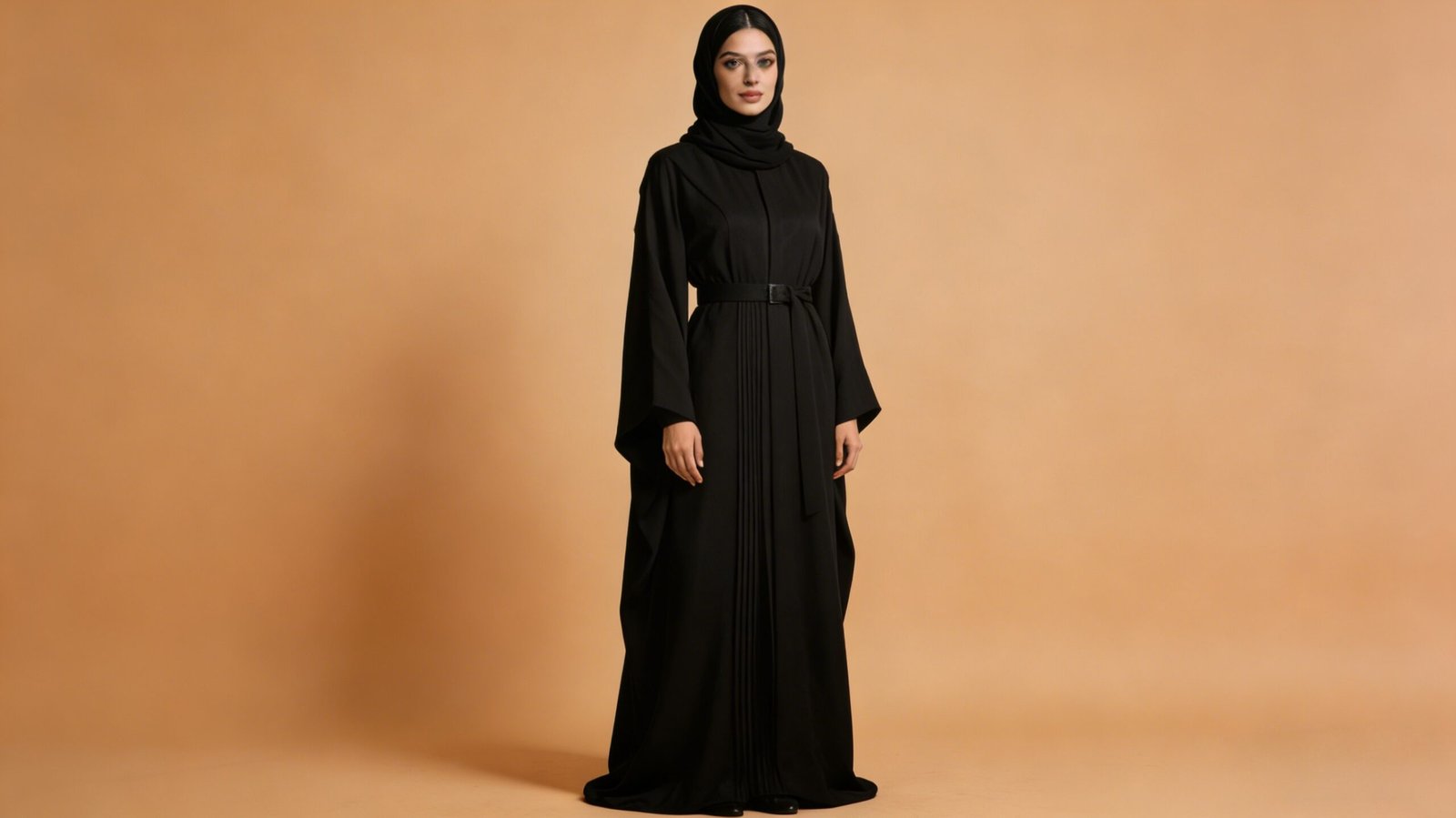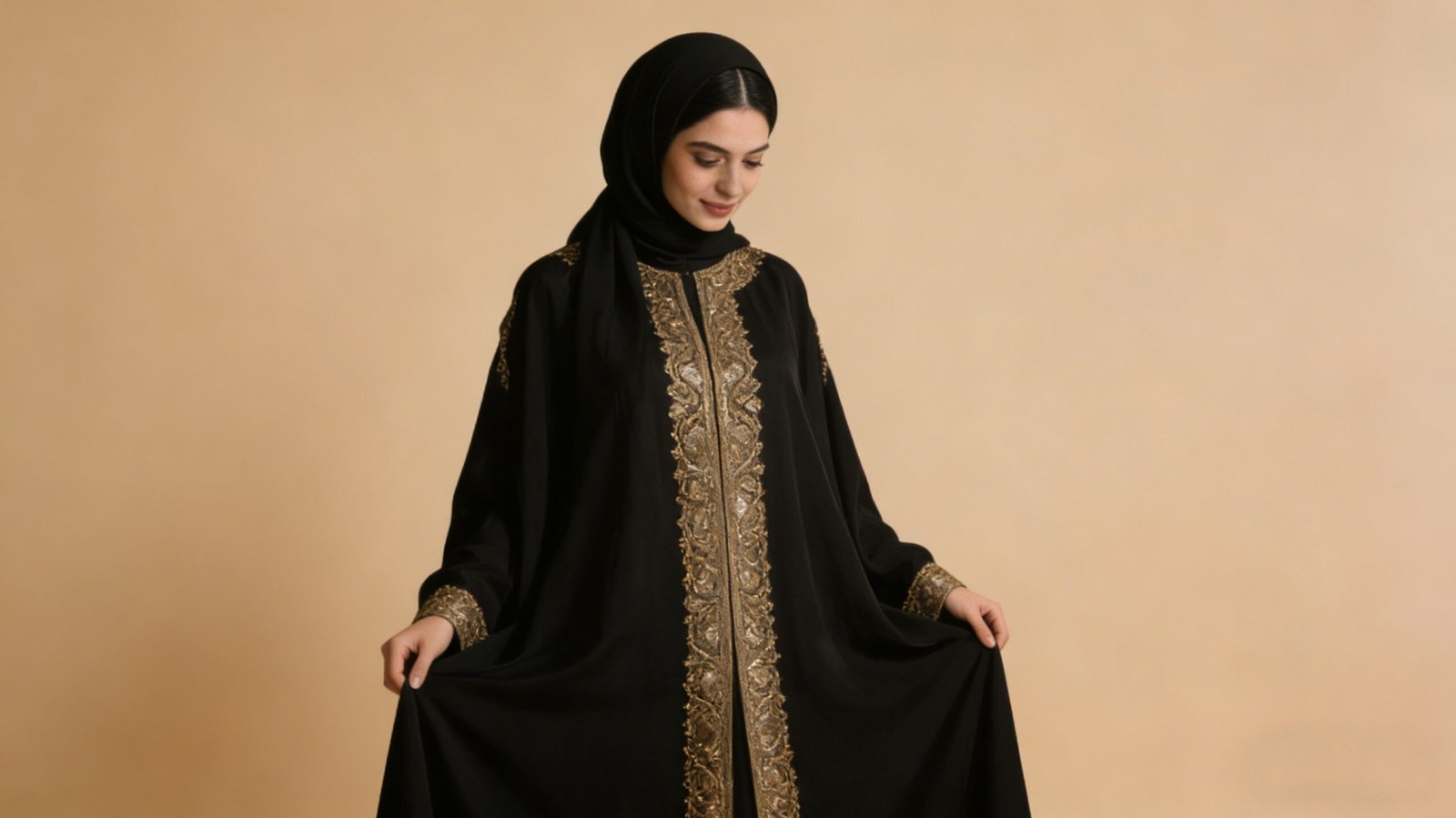
Minimalism isn’t just a design trend in Europe—it’s a lifestyle. From Copenhagen to Paris, shoppers are choosing clean lines, neutral tones, and timeless silhouettes. That’s exactly why Minimalist Abaya designs are outperforming heavily embellished styles across European markets.
If you’re targeting European buyers, understanding Modern Abaya Europe preferences could be the difference between slow-moving inventory and consistent sell-through.

Table of Contents
- Why Minimalist Abaya Appeals to European Buyers
- Key Features of Minimalist Abaya Designs
- Sales Performance: Europe vs Other Markets
- How Brands Produce Modern Abayas for Europe
- FAQs
Why Minimalist Abaya Appeals to European Buyers
European fashion culture values restraint. Loud logos and heavy decoration often feel outdated. Instead, shoppers gravitate toward pieces that blend seamlessly into everyday wardrobes.
That’s why Minimalist Abaya designs work so well here. Think of them as the “little black dress” of modest fashion—versatile, effortless, and endlessly wearable.
According to Vogue Business’s analysis on modern luxury, European consumers increasingly associate minimalism with quality, longevity, and ethical consumption.
Key Features of Modern Abaya Styles for Europe
Successful Modern Abaya styles in Europe often share the same DNA:
- Neutral color palettes (black, beige, taupe, soft gray)
- Clean cuts with subtle tailoring
- Breathable, high-quality fabrics
- Minimal or hidden closures
Unlike occasion-focused Abayas, minimalist designs don’t scream for attention. They whisper sophistication.
Brands that invest in custom Abaya manufacturing gain the flexibility to refine silhouettes, adjust sleeve volume, and select fabrics that feel right for European climates and lifestyles.
Why Minimalist Abayas Sell Better in Europe
Here’s the reality: European customers buy fewer pieces—but they buy better ones.
Minimalist Abayas align perfectly with this mindset. They’re easy to style, easy to repeat-wear, and easy to justify at a higher price point.
Retail data trends discussed in Business of Fashion’s European consumer report show that understated designs outperform trend-driven items in long-term revenue.
This also explains why many brands that previously focused on the GCC market are now adapting collections specifically for Europe—a topic we explored in our guide on choosing Abayas for different markets.

How Brands Produce Minimalist Abayas for Europe
Designing for Europe isn’t about removing decoration—it’s about refining intention.
Brands working with OEM & ODM Abaya partners can:
- Develop exclusive minimalist patterns
- Test fabric drape and weight
- Create private-label collections for EU boutiques
This production flexibility is especially important if you’re also selling Everyday Abayas alongside occasion styles. Minimalist designs often bridge both use cases.
Planning Your Next Abaya Collection?
Whether you’re scaling Everyday Abayas or launching a statement Formal collection,
we help brands choose the right mix—and manufacture it with confidence.
Frequently Asked Questions
Are minimalist Abayas suitable for formal occasions?
Absolutely. European consumers often dress minimalist styles up with accessories rather than relying on heavy embellishment.
Do minimalist Abayas have higher profit margins?
Yes. Premium fabrics and timeless designs justify higher pricing and reduce markdown risk.
Is Europe a good market for new Abaya brands?
If your design language aligns with modern, minimalist fashion—Europe is one of the most promising growth markets right now.
Final Thoughts
Minimalist Abaya designs aren’t a compromise—they’re a strategy.
In Europe, simplicity signals confidence, quality, and modern identity. Brands that understand this shift are building stronger collections, healthier margins, and longer-lasting customer relationships.
And if you’re serious about entering or scaling in Europe, starting with the right Minimalist Abaya might be your smartest move yet.