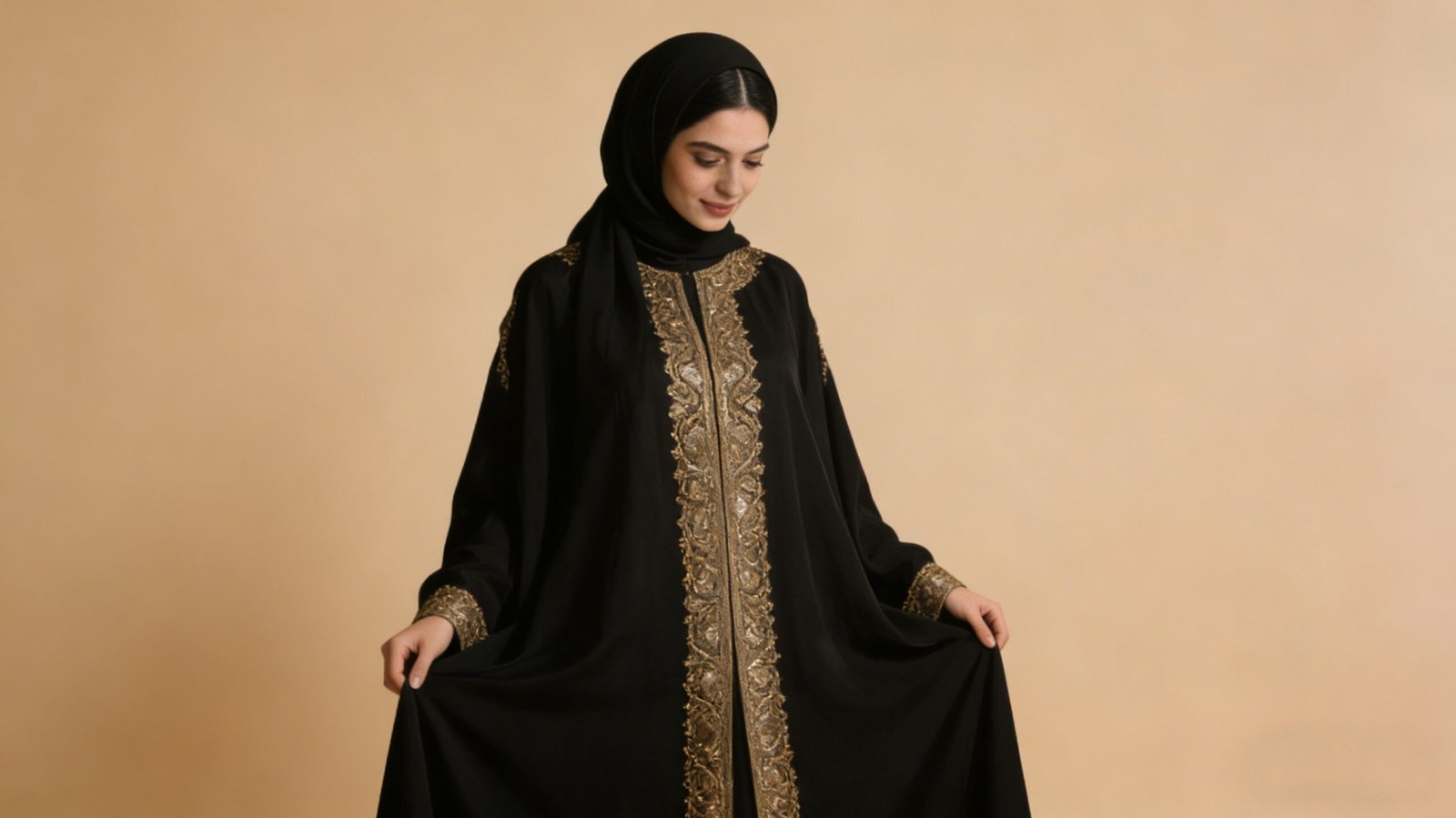
Compare Abaya manufacturers is one of the most important steps when you’re building a reliable, scalable Abaya brand. At first glance, many factories may look similar—but once you dig deeper into quality control, communication, pricing structure, and production capability, the differences become obvious. In this guide, we’ll walk you through the seven key factors that truly matter when comparing Abaya manufacturers, so you can choose a long-term partner with confidence.
Choosing the right Abaya manufacturer isn’t just a sourcing task—it’s a long-term business decision.
On the surface, many factories look similar. They all claim quality, experience, and competitive pricing. But once production starts, the differences become painfully clear.
If you’re trying to compare Abaya manufacturers without falling into common traps, this guide breaks it down into seven practical factors that actually matter.
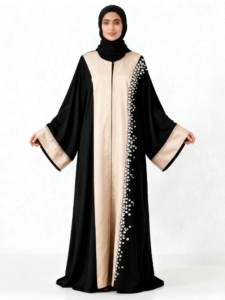
Table of Contents
- 1. Industry Experience & Abaya Specialization
- 2. Sampling Quality & Development Process
- 3. Fabric Knowledge & Sourcing Ability
- 4. Customization & Private Label Capability
- 5. Pricing Transparency & Cost Structure
- 6. Production Capacity & Lead Times
- 7. Communication & Reliability
- FAQ
1. Industry Experience & Abaya Specialization
Not every garment factory understands Abayas.
Pattern balance, modest proportions, fabric drape, and opacity requirements are very different from standard womenswear. A factory with real Abaya experience will anticipate issues before they happen.
This is why choosing an experienced Abaya manufacturer matters far more than picking a general apparel supplier.
2. Sampling Quality & Development Process
Sampling tells you more than any sales pitch.
Look closely at stitching consistency, seam finishing, fabric behavior after pressing, and fit accuracy. A strong sampling process shows the factory’s internal standards.
If sampling feels rushed or careless, production will be worse—guaranteed.
3. Fabric Knowledge & Sourcing Ability
Fabric is where many Abaya projects succeed or fail.
A capable partner understands fabric weight, breathability, seasonal demand, and cost-performance balance. This becomes especially important if you’re targeting hot climates or everyday wear.
For example, brands that prioritize comfort often evaluate factories based on their understanding of Abaya fabric weight and comfort.
4. Customization & Private Label Capability
If you’re building a brand—not just buying stock—customization is non-negotiable.
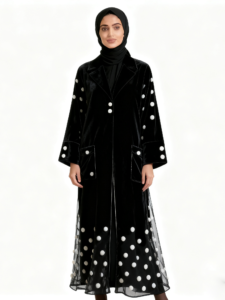
This includes private labeling, fabric adjustments, sizing tweaks, and design refinement. A true manufacturing partner supports your growth, not just your first order.
Factories offering full OEM support, like those described in custom Abaya manufacturing solutions, are usually better equipped for scaling brands.
5. Pricing Transparency & Cost Structure
Low prices can hide expensive problems.
When doing an Abaya factory comparison, ask how pricing is built: fabric cost, labor, trims, QC, and packaging. Transparent factories explain trade-offs clearly instead of masking them.
Smart brands also compare pricing logic alongside strategies outlined in Abaya cost control planning.
6. Production Capacity & Lead Times
Can the factory deliver consistently—not just once?
Reliable manufacturers offer realistic lead times, stable production planning, and contingency solutions when demand spikes.
B2B platforms like Alibaba’s manufacturing resource center emphasize the importance of capacity verification when sourcing overseas.
How to Compare Abaya Manufacturers: 7 Key Factors
7. Communication & Reliability
This factor is often underestimated—and most painful.
Clear communication, timely updates, and honest problem-solving define long-term success. A factory that responds proactively saves you weeks of stress.
According to Made-in-China’s manufacturer selection guide, communication breakdowns are one of the top causes of failed sourcing partnerships.
Planning Your Next Abaya Collection?
Whether you’re comparing factories or scaling production, we help brands work with clarity, confidence, and full manufacturing support.
FAQ
Is price the most important factor when comparing Abaya manufacturers?
No. Experience, fabric knowledge, and reliability usually impact long-term cost more than unit price.
Should I work directly with factories or through B2B platforms?
Platforms help discovery, but direct manufacturer relationships often provide better control and customization.
How many manufacturers should I compare?
Ideally three to five, using the same evaluation criteria for a fair comparison.
Final Thoughts
Comparing Abaya manufacturers isn’t about finding the cheapest option—it’s about finding the right partner.
When you evaluate factories through these seven factors, decisions become clearer, risks drop, and your brand gains stability.
And in manufacturing, stability is what really sells.