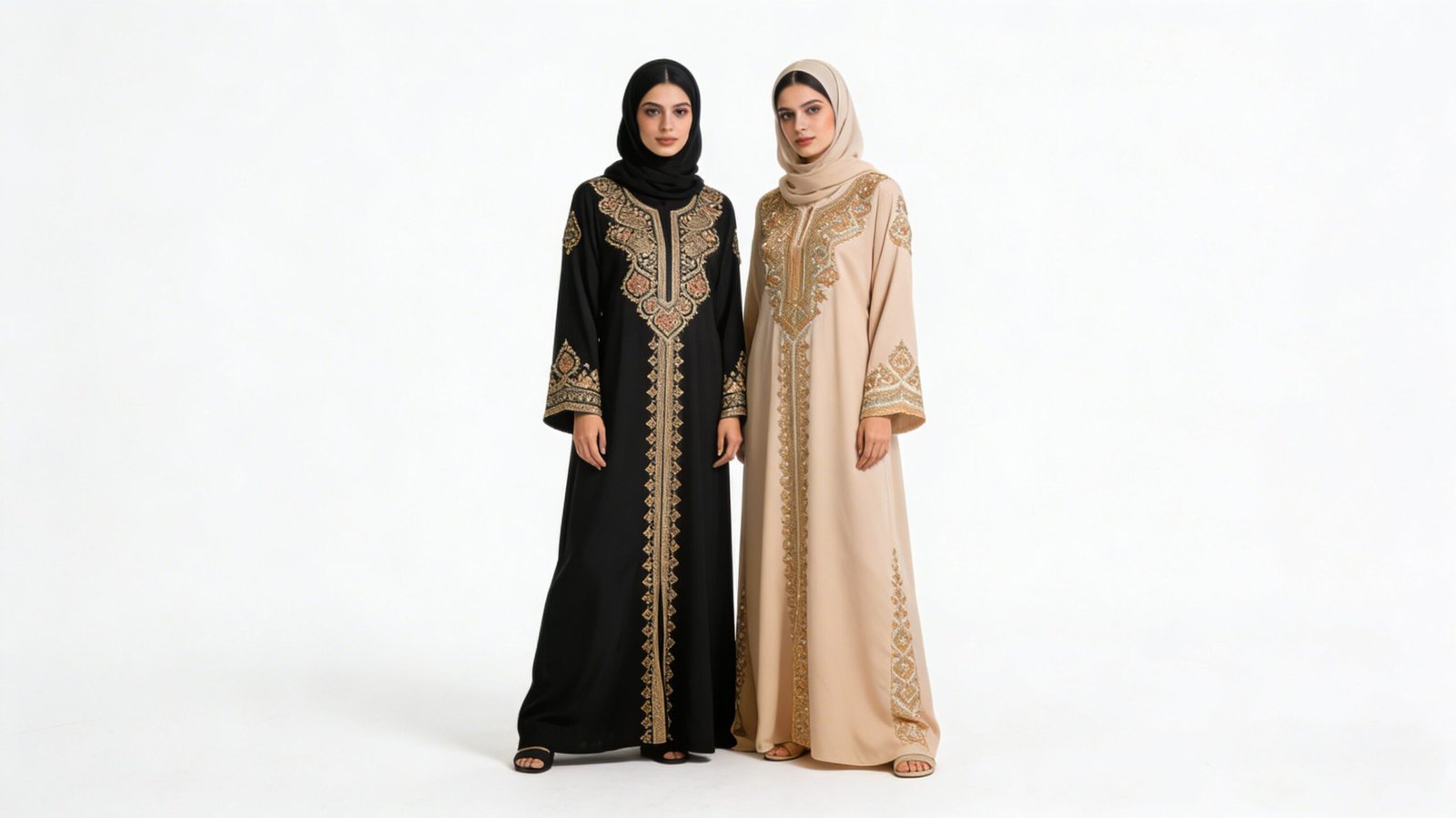
Sustainability is no longer a buzzword—it’s a buying decision.
Today’s consumers don’t just ask how an Abaya looks. They ask how it’s made, where the fabric comes from, and whether it aligns with their values. For modern brands, choosing the right Sustainable Abaya fabric isn’t about trends—it’s about long-term relevance.
So how do you build an Eco-friendly Abaya collection without sacrificing comfort, elegance, or margin? Let’s break it down.
Table of Contents
- Why Sustainability Matters in Abaya Fashion
- What Makes a Fabric Truly Sustainable?
- Top Sustainable Fabrics for Abayas
- Balancing Sustainability, Cost, and Comfort
- Common Sustainability Mistakes Brands Make
- FAQ
Why Sustainability Matters in Abaya Fashion
Modern Abaya buyers—especially in Europe and North America—expect transparency. Sustainability signals responsibility, quality, and brand maturity.
For brands, this shift is also strategic. Sustainable collections often enjoy higher customer loyalty, stronger storytelling, and better alignment with long-term retail partners.
This is why more labels now treat Sustainable Abaya development as a core growth pillar, not a side project.
What Makes a Fabric Truly Sustainable?
Not all “green” fabrics are created equal. A truly Sustainable Abaya fabric usually meets several criteria:
- Lower environmental impact during production
- Reduced water or chemical usage
- Improved durability and lifespan
- Responsible sourcing or certification
Sustainability isn’t about perfection—it’s about measurable improvement.
Top Sustainable Fabrics for Modern Abaya Brands
1. TENCEL™ & Modal Blends
Soft, breathable, and fluid, TENCEL™-based fabrics are ideal for everyday Abayas. They’re produced using closed-loop systems that dramatically reduce water waste.
According to Textile Exchange’s overview of man-made cellulosics, these fibers offer one of the best sustainability-to-performance ratios in fashion.
2. Recycled Polyester (When Used Correctly)
Recycled polyester works best in structured or layered Abaya designs. While not perfect, it helps reduce landfill waste and lowers reliance on virgin resources.
The key is application—lightweight recycled blends outperform heavy synthetics in comfort and wearability.
3. Eco-Viscose and Responsible Rayon
Responsibly sourced viscose provides excellent drape and opacity, making it suitable for both casual and semi-formal Abayas.
Organizations like Canopy Planet actively track and promote forest-safe viscose production.
Balancing Sustainability, Cost, and Comfort
One of the biggest myths is that sustainability always means higher costs.
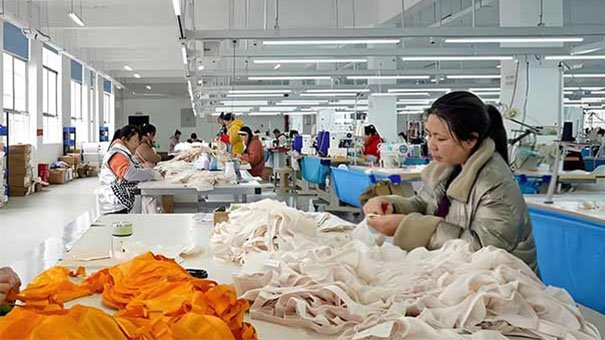
In reality, smart brands balance material choices with design efficiency, fabric weight, and production planning. This is especially effective when sustainability decisions are integrated early through OEM-driven Abaya development.
Fabric weight matters too. Lightweight sustainable fabrics often enhance comfort while reducing overall material consumption—a concept explored further in how fabric weight affects Abaya comfort.
Common Sustainability Mistakes Brands Make
Some brands rush into sustainability for marketing reasons—and pay the price later.
- Choosing certified fabrics without understanding performance
- Overpricing sustainable collections without educating customers
- Ignoring market differences in sustainability expectations
For example, minimalist European buyers respond strongly to sustainable narratives, while other markets prioritize comfort first—a contrast also seen in European Abaya style preferences.
Planning Your Next Abaya Collection?
From eco-friendly fabrics to scalable manufacturing, we help modern brands build Abaya collections that sell—and last.
FAQ
Are sustainable Abaya fabrics comfortable for daily wear?
Yes. Many sustainable fibers outperform traditional fabrics in breathability and softness.
Do eco-friendly Abayas always cost more?
Not necessarily. Smart sourcing and fabric planning can offset higher material prices.
Is sustainability more important in certain markets?
Yes. European and North American buyers tend to value sustainability more strongly, especially for everyday wear.
Final Thoughts
Sustainability isn’t about chasing labels—it’s about making smarter choices.
For modern brands, investing in Eco-friendly Abaya development builds trust, future-proofs collections, and creates stories customers want to be part of.
And that’s a fabric worth investing in.